Matias Enaut
June 2026
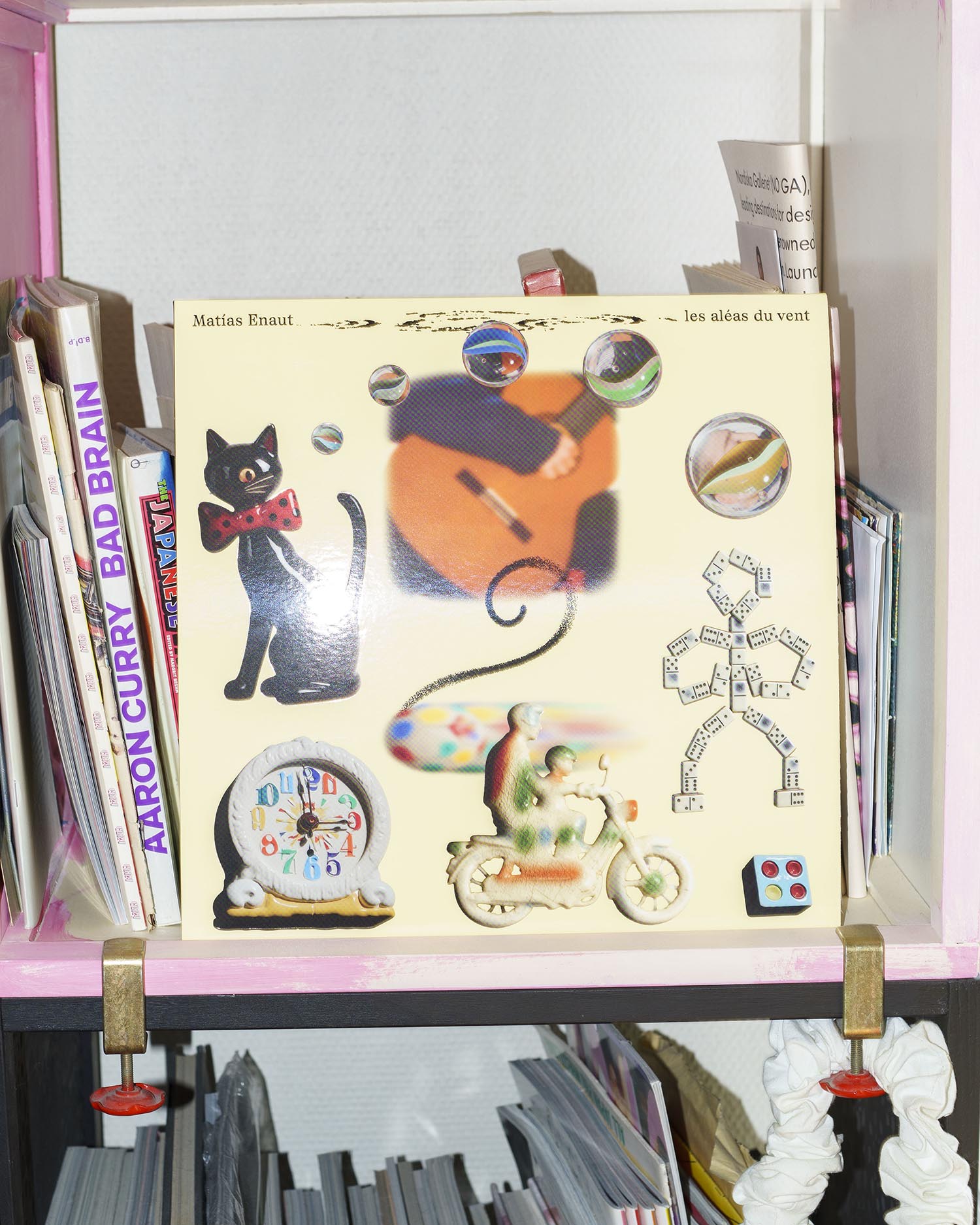
Matias Enaut is a musician and composer whose work sits at the intersection of music, image and sonic research. On the occasion of the release of his third album Les aléas du vent, he looks back on his journey, his creative process and his collaborations.
Temple Magazine
Can you tell us about your background?
Matias Enaut
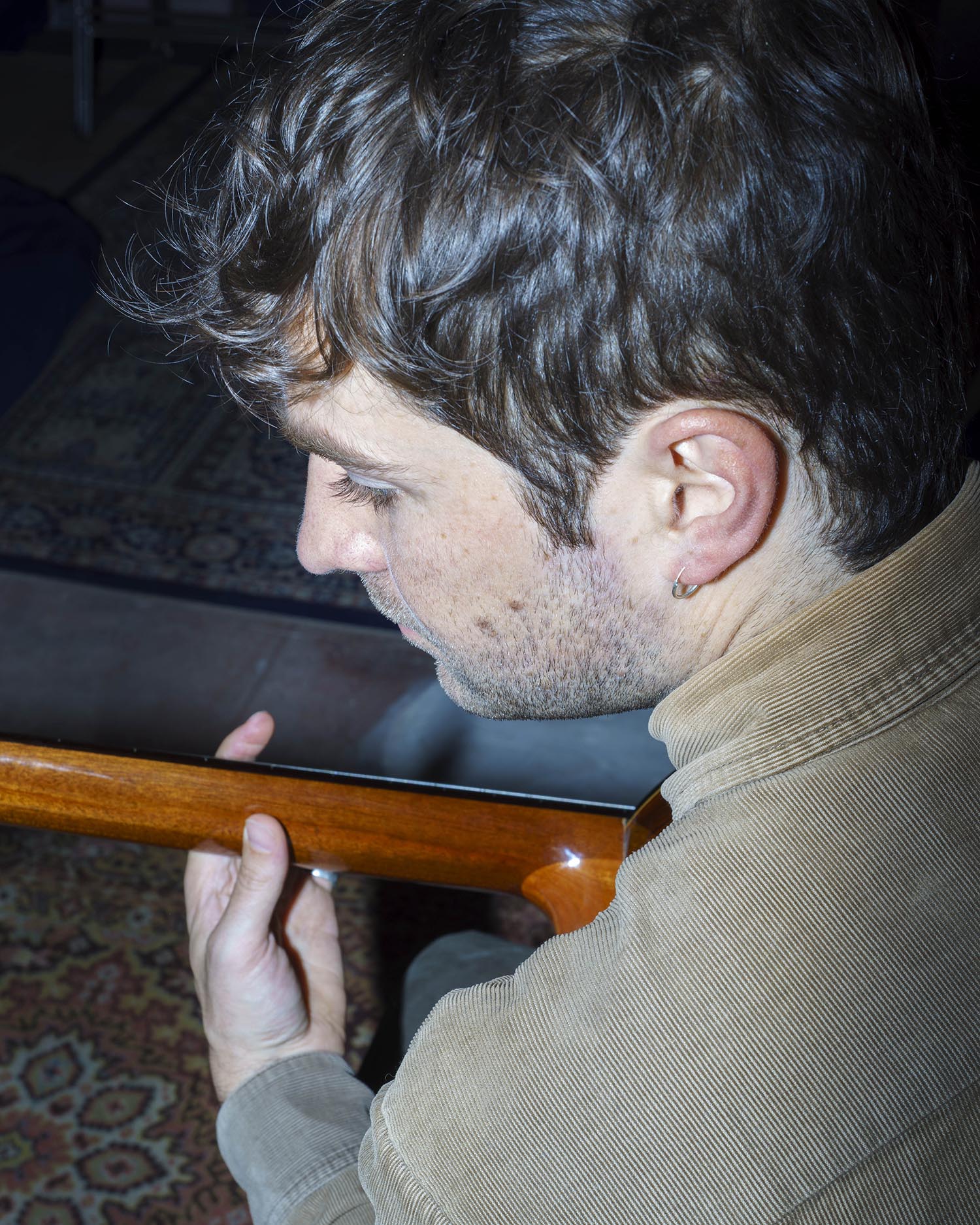
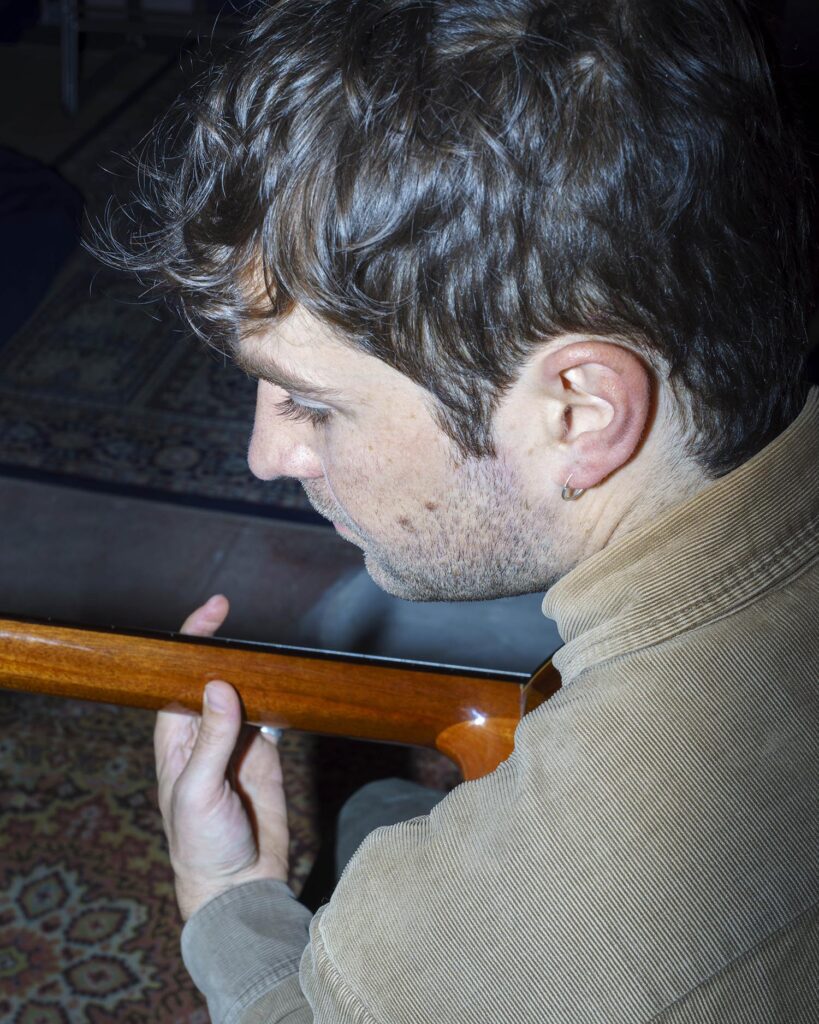
I've been composing music and exploring all these forms since I was a teenager, including as a sound engineer. I started music very young, at the age of six, learning to play guitar. When I was little, I actually wanted to play harmonica, but we couldn't find a teacher. There was a guitar at home — my father had a South American music group when he was young, so there were a lot of instruments around the house: Paraguayan harps, all kinds of flutes. I got familiar with all of that growing up. And from the age of fourteen, I really started to appreciate the guitar, because before that I was honestly forcing myself to play for my parents.
Temple Magazine
Was it because you started playing pieces that actually spoke to you?
Matias Enaut
Exactly. I changed schools at fourteen and enrolled in a jazz school, where I had a teacher who asked me what I actually wanted to learn. Six months later, I was already writing my own pieces. I’d come to him saying: “I composed this — can we improve it?” He would use my own compositions as a basis for working on my guitar technique. I haven’t stopped composing since.
Temple Magazine
For yourself and for others?
Matias Enaut
For myself and for others. Little by little, I bought a sound card, started recording my guitars, sampling, experimenting, trying to understand how it all worked. I moved away from pure instrumental practice and into a process of sonic research and sound design. All the more so since I was simultaneously training as a sound engineer.
Temple Magazine
One of your first projects was quite experimental, wasn't it?
Matias Enaut
I started composing through work with images — skate videos, short films, experimental audiovisual projects. One of the first was sending a rhythmic base to a video editor, who would send back the edit, and I'd finish the composition following the movements of the skate tricks. There was a link between the sounds of skating and the music — tricks sometimes fall off the beat, so you have to find the rhythm within the sounds of the skate itself.
Temple Magazine
What are these videos called, if people want to look them up?
Matias Enaut
There's one called “Minuit” and another called “Meanwhile”, both directed by Yoan Taillandier. Those were my first real compositions within broader projects. Then I made an experimental audiovisual piece: Astro ID. It was a found footage work using around forty films about the conquest of space. I mixed all those films into a single one, about twenty minutes long, and composed music over it. Everything was connected — image and music, once again.
Temple Magazine
And now you're releasing your third album. Can we talk about Les aléas du vent — why that title?
Matias Enaut
"Les aléas du vent" — The Whims of the Wind — is about uncertainty, about the future and the past. I started composing this album when I found out I was going to become a father. I was searching through childhood memories while also projecting myself into this new role. It's truly a quest for memories. The wind represents those memories — something that arrives either suddenly or very gently, but always fades away. And the "whims" because that search can be quite turbulent. Just like the prospect of becoming a father — it's full of uncertainty.
Temple Magazine
And how do you write your lyrics?
Matias Enaut
My writing process for this album was built around lots of small poetic punchlines, each tied to a memory. Whenever a flash came back to me, I'd write it down. And pieced together, I could see how they echoed my projections as a father — whenever I saw myself as a child, I'd imagine myself as the father with that child. These little punchlines would answer each other, creating structure and theme. And sometimes the rhythm of the music led me to new words, new sensations. There's also a track called "Un petit homme" whose text I rediscovered in an old folder — I'd written it at sixteen, in secondary school, and the memory of it came back to me while composing this album.
Temple Magazine
Is that also why the album is written in French?
Matias Enaut
Yes. It's easier for me to be intimate and personal in French than in English. I use English more for slogans — phrases you want to repeat on a loop. In French, I have more vocabulary, more nuance, so I can bring in more complexity. When something needs to stay very simple and direct, I like English for that.
Temple Magazine
There's also a very strong visual universe built around this album. How did that come together, who did you collaborate with?
Matias Enaut
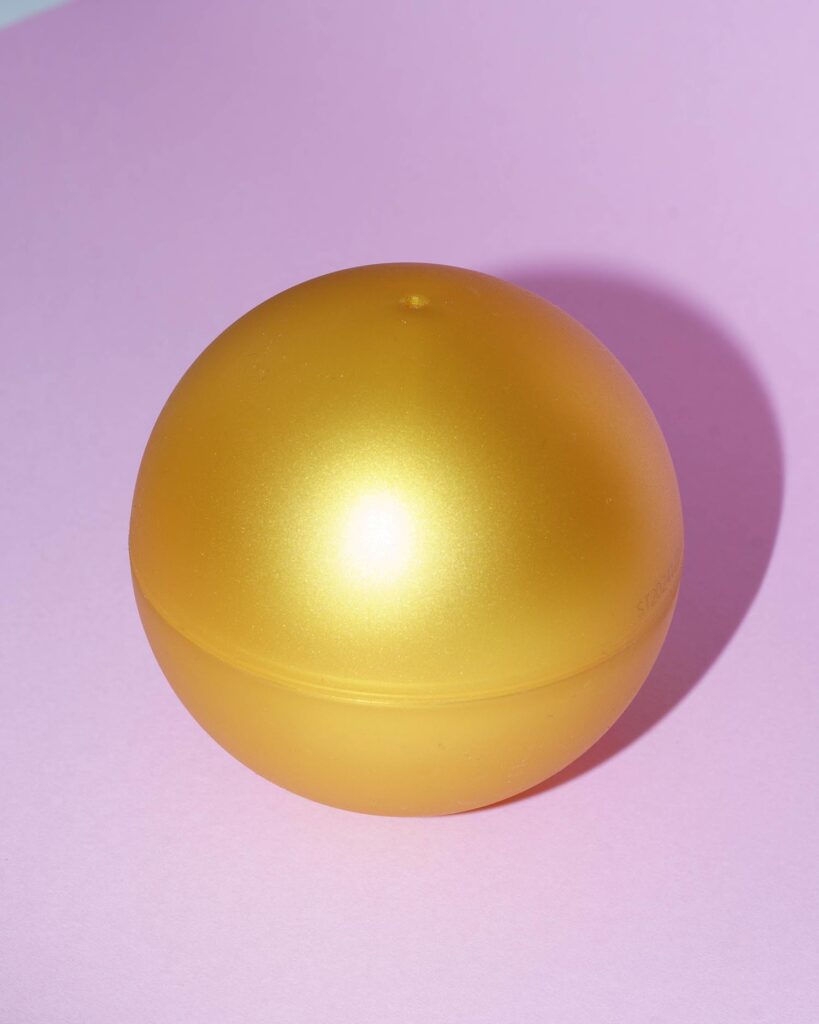
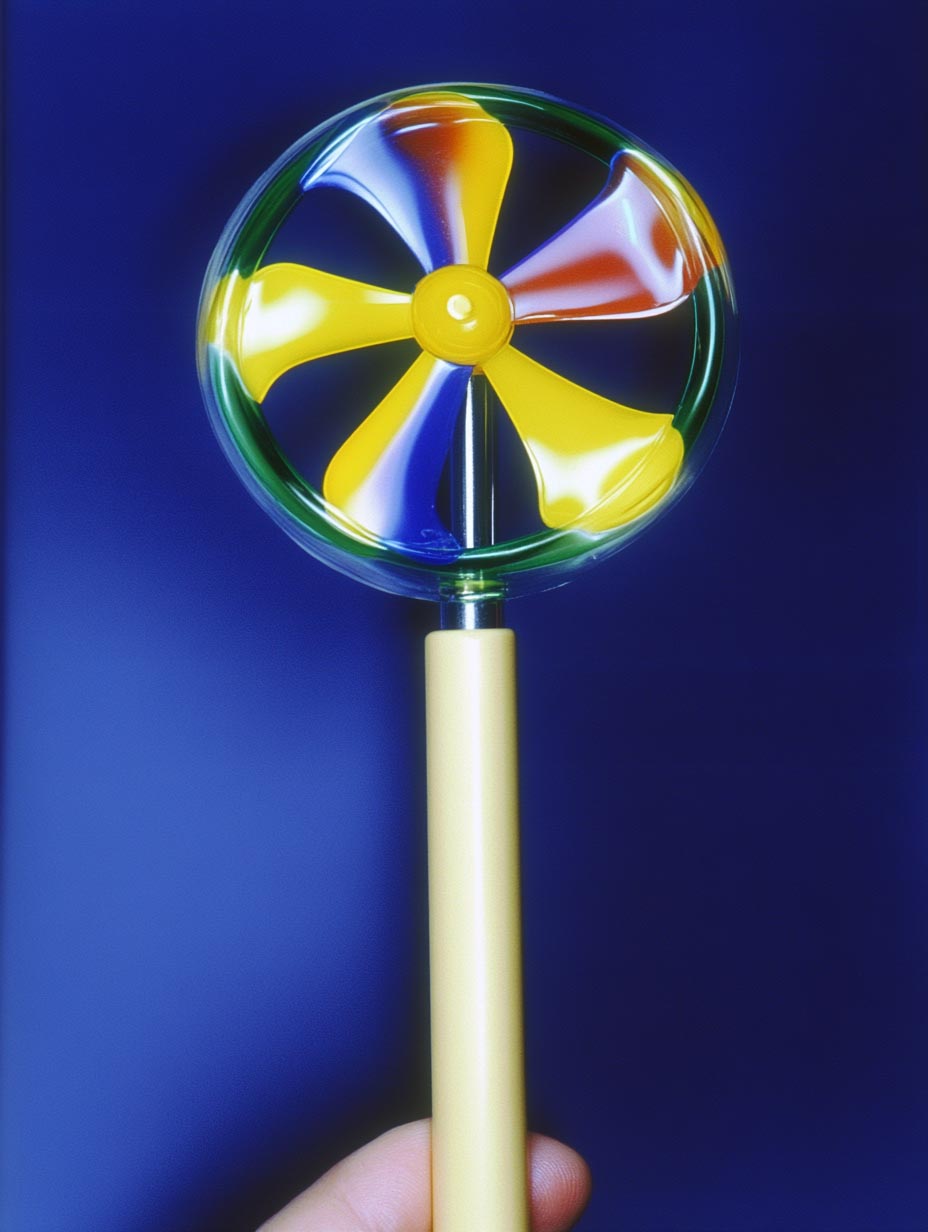
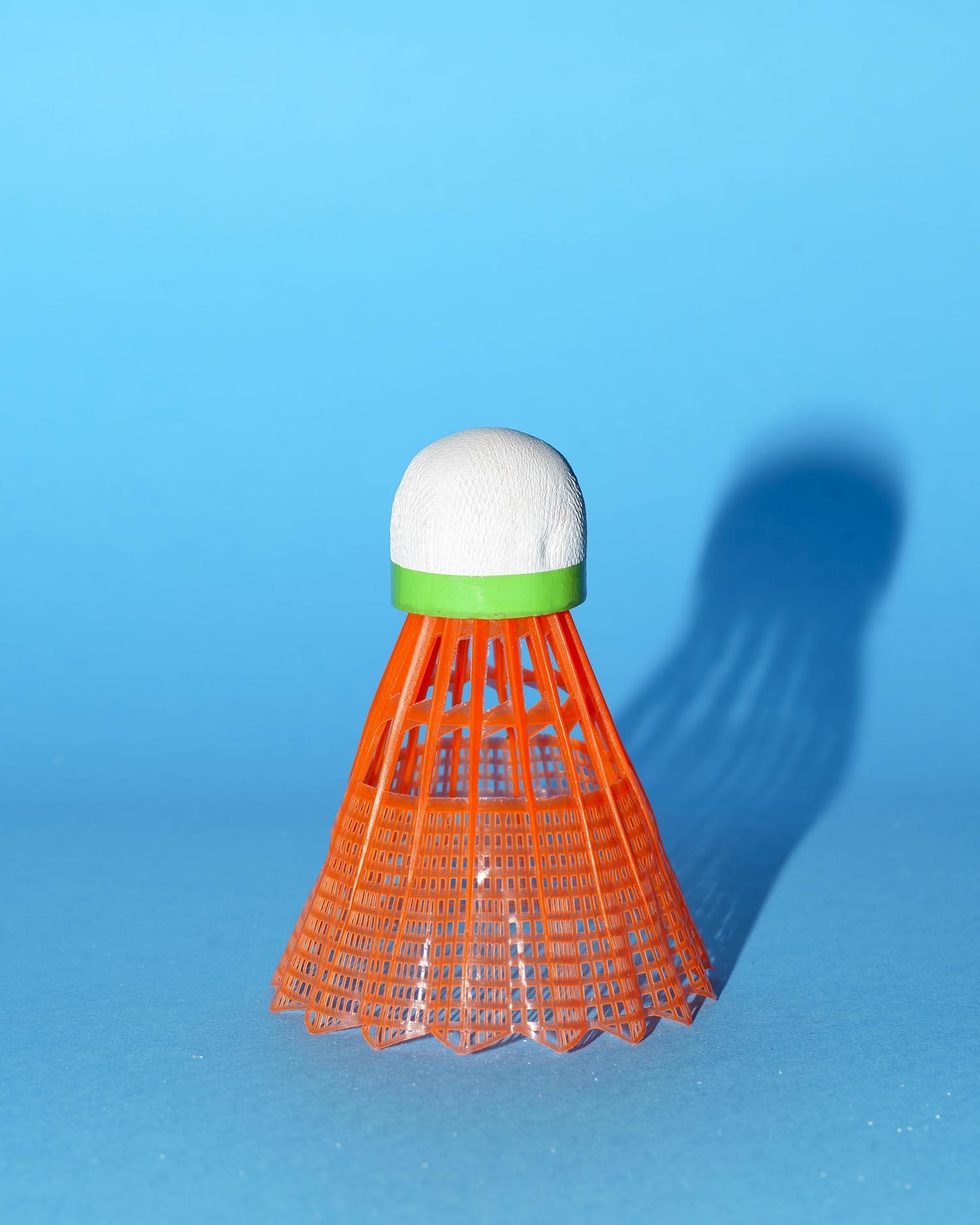
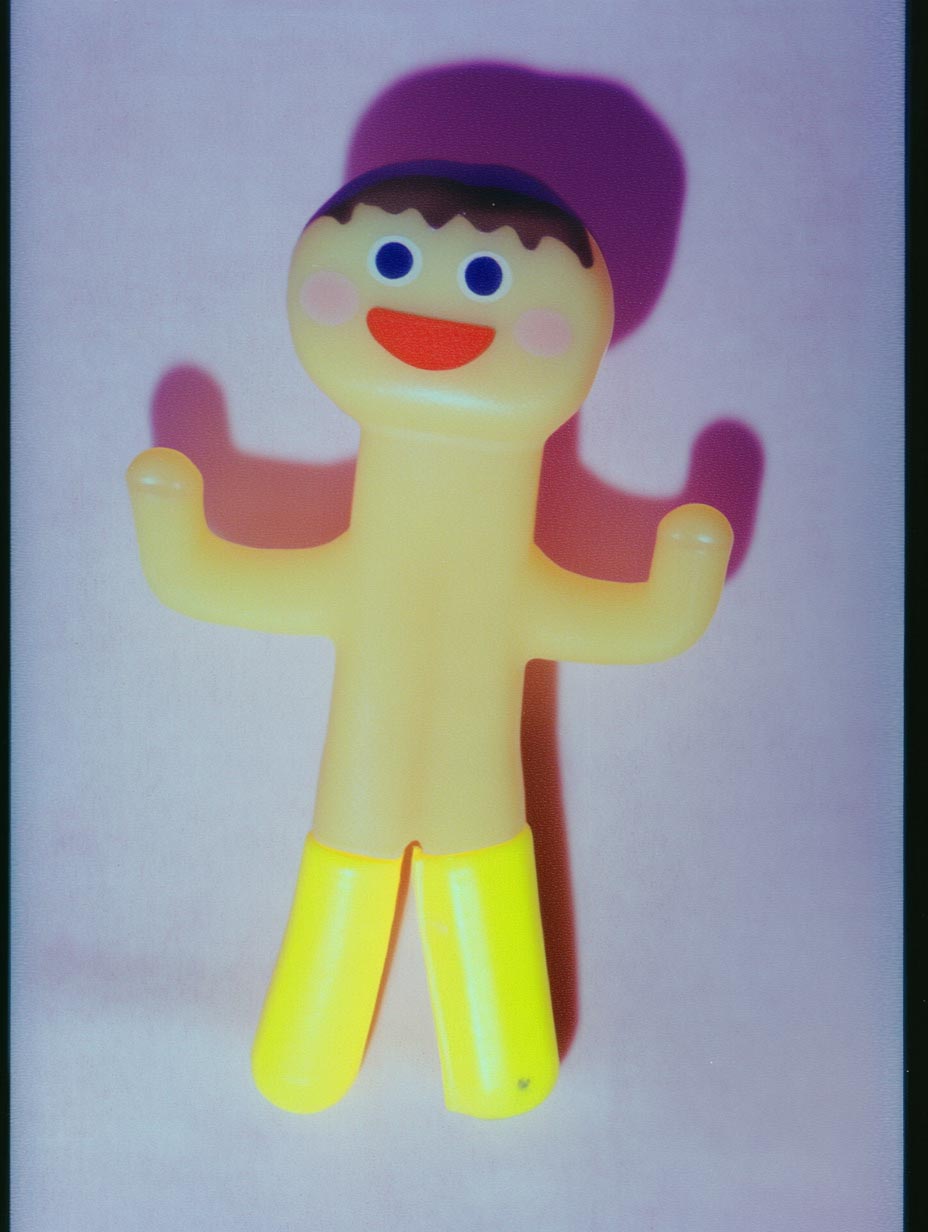
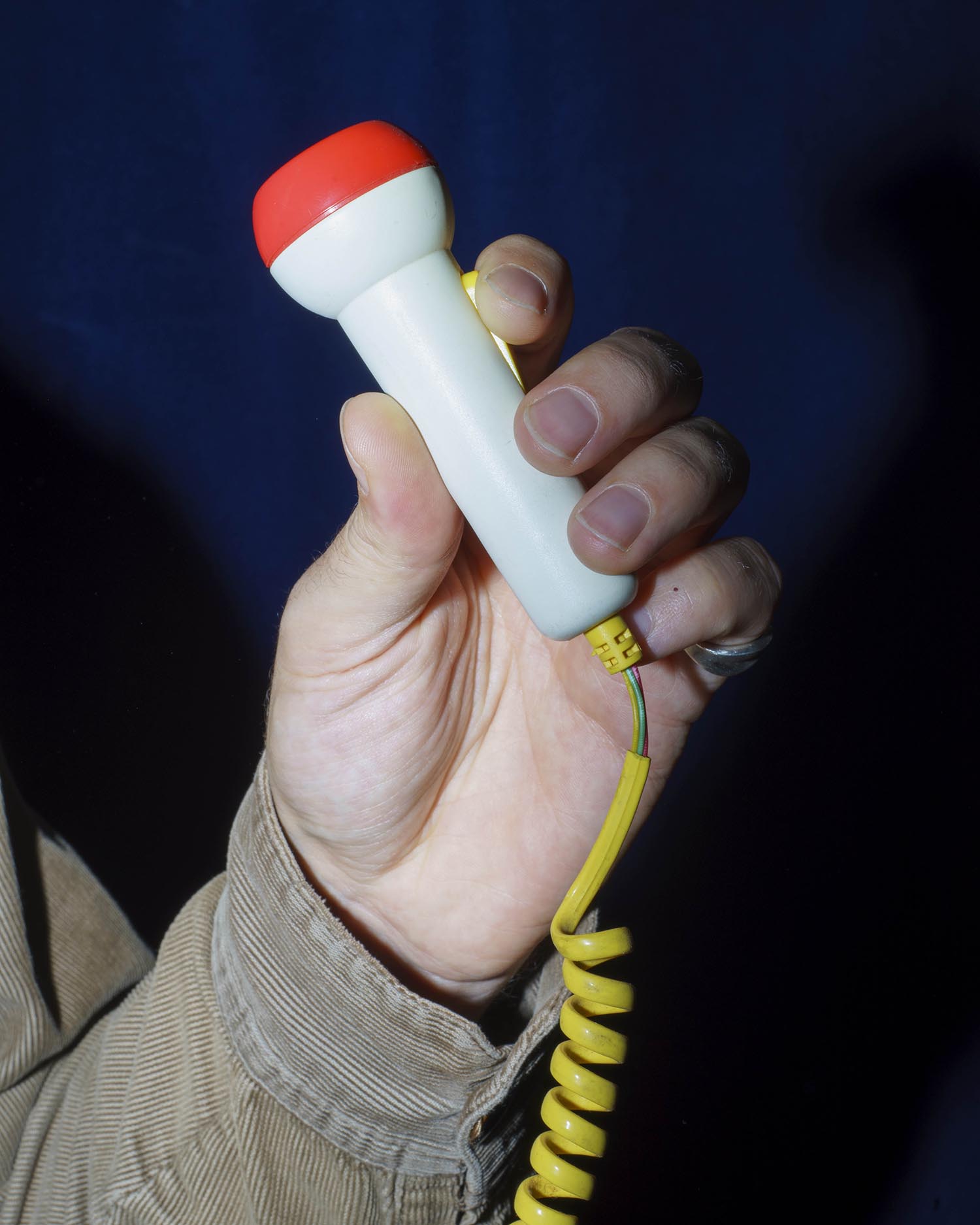
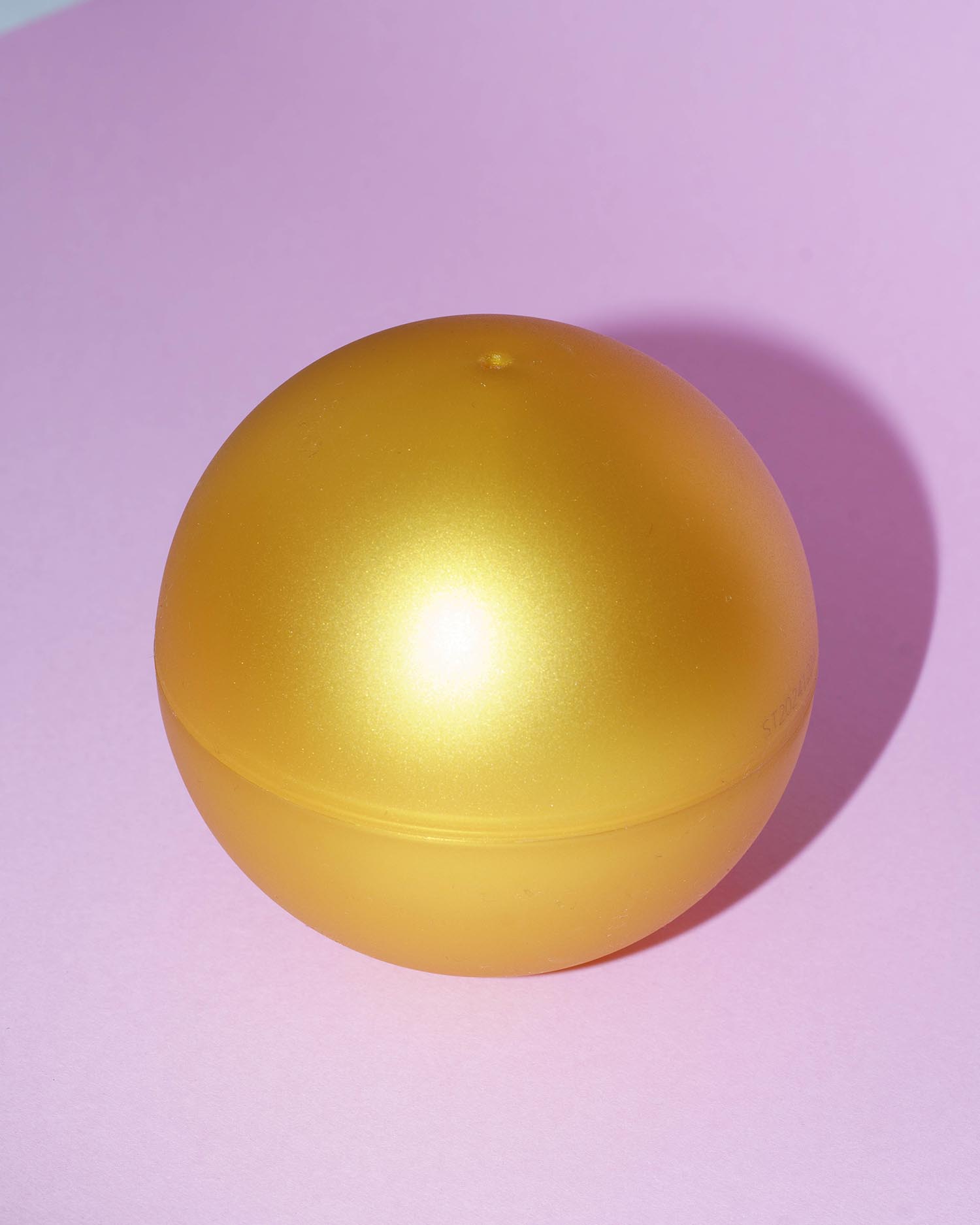
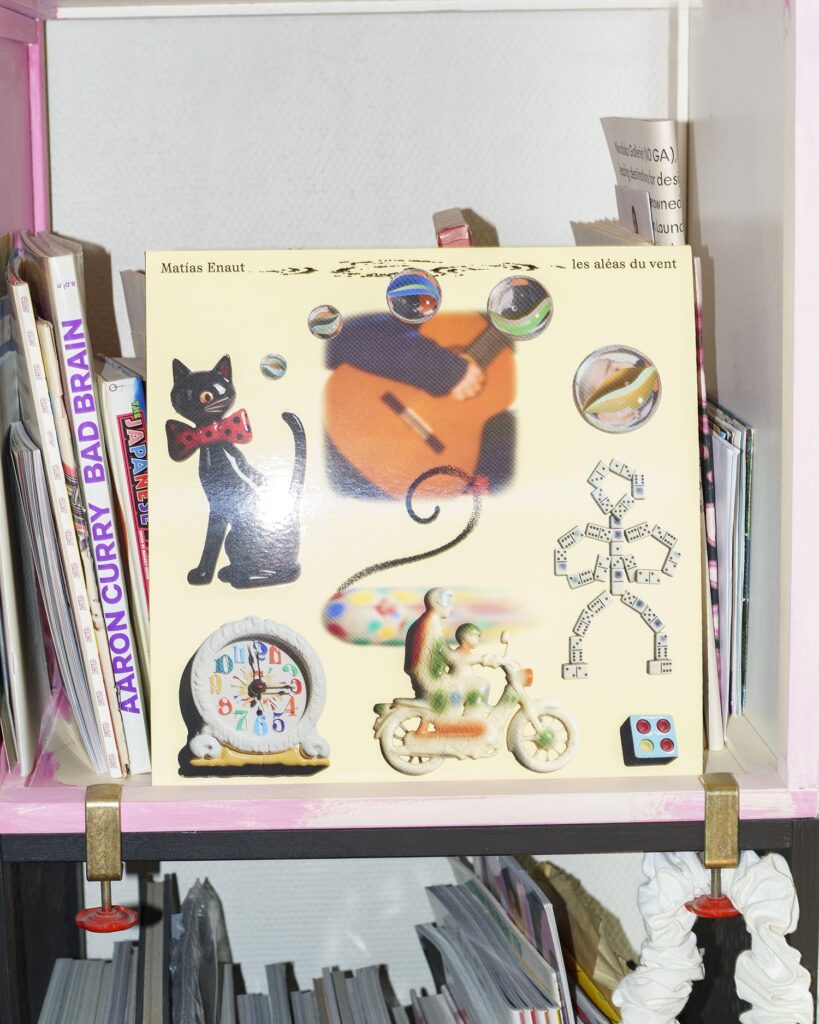
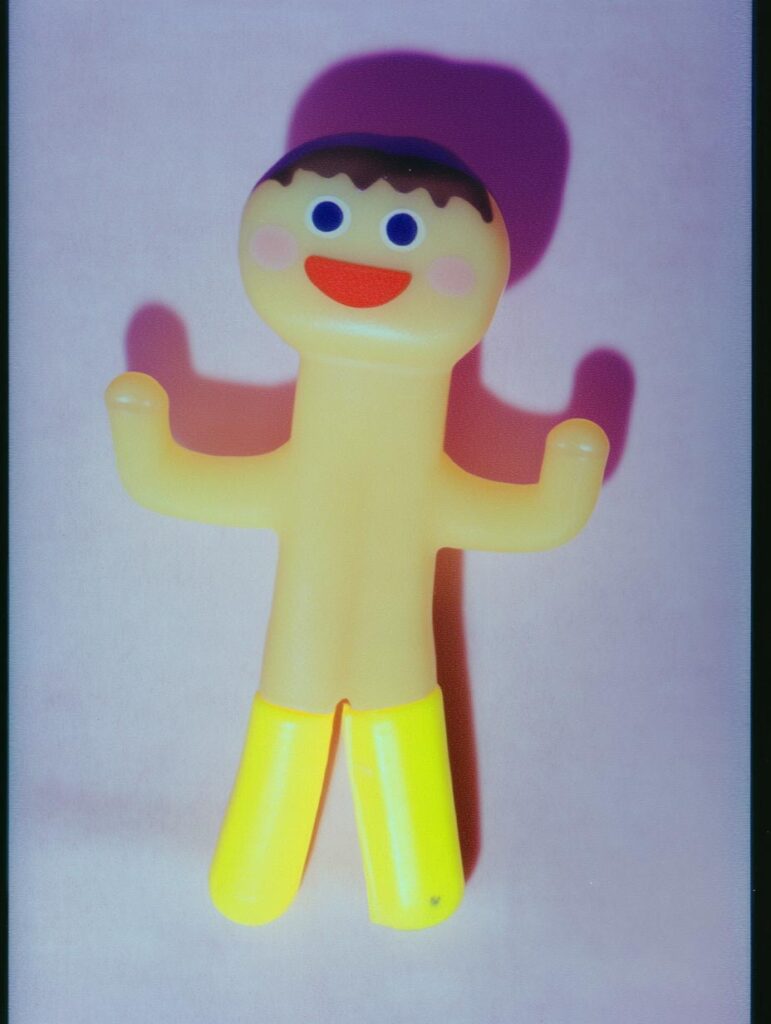
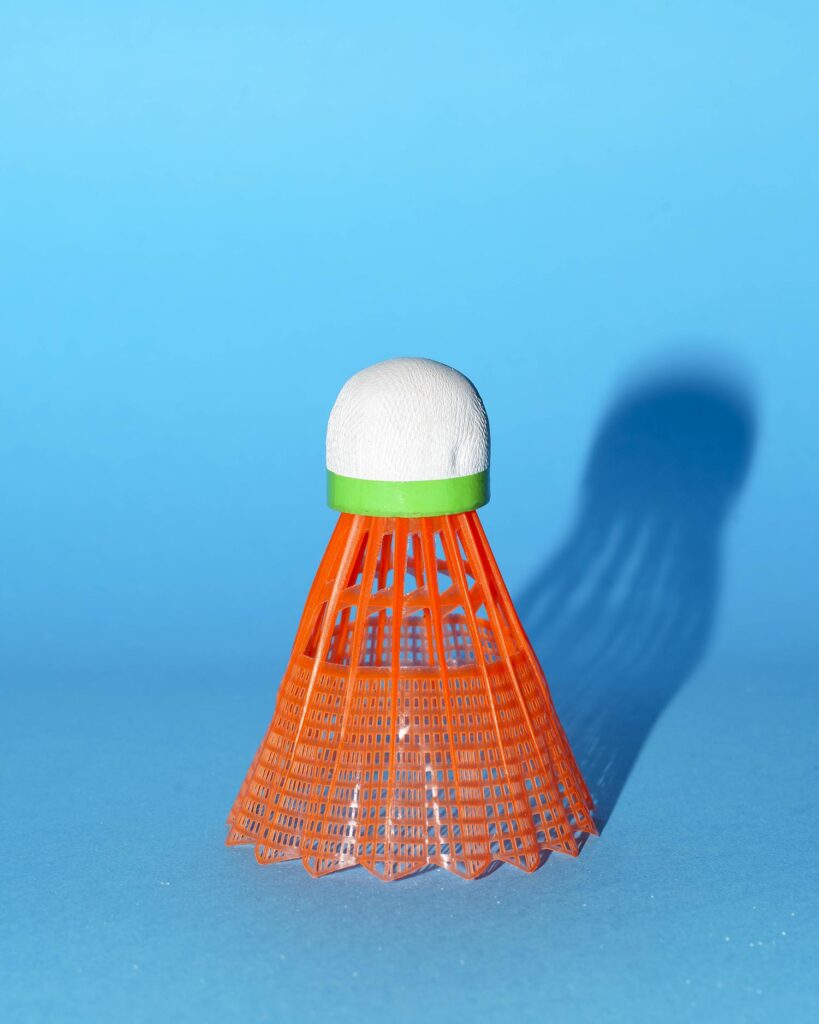
It started with the theme of childhood memories. Then with a lunch with Alexis Jamet, at which point I already had the album title. The idea was to picture, on a desk, sheets of paper flying away in the wind. On that desk, various objects connected to childhood. That was the first image we had in mind. From there, I worked with Margaux Salirino to photograph and visualise a lot of objects from my childhood — a search for things that were graphically interesting but also meaningful, not just to me but to Margaux as well. Then we thought about how far these objects could be distorted by memory. Margaux worked on transforming them — making them misshapen, altered, embodying the quest for memories. We ended up with a mix of real and altered objects, which then served as material for Alexis Jamet and Laurent Allard to build a graphic universe. For the cover, I listed a whole set of memories for Laurent and Alexis to draw from — a harp, a cat, a football — and each of them brought a bit of themselves into it.
Temple Magazine
Collaborating with Alexis seems to be something you do consistently. Your relationship with image has been there from the very beginning.
Matias Enaut
I've been working with Alexis for a long time now. We've been collaborating since Le Bruit des pétales in 2020, and before that we'd already worked together on smaller clips. Knowing he'll be the one visually representing my music plays a part in how I compose. There's a lot of softness in what I do, something quite playful — and his graphic universe is very close to that. It's reassuring to have someone who backs the artistic direction of your projects. And beyond that, we keep collaborating on other things.
Temple Magazine
How do you see yourself evolving? There are more and more overlaps between music, contemporary art, fashion... And I get the sense you also want to push towards a different way of performing live.
Matias Enaut
Yes, that's something I want to push. In the age of AI in music, things are becoming very codified, very standardised. So there's a desire to find something truly performative. And to do that, you have to look to other mediums. On this album, I made sure you could hear my studio. Every time I recorded synths or guitars, I re-recorded them in the room — the sound was projected through my speakers and I placed microphones around the space to capture it. It creates a particular atmosphere, a very unique sound. I want to push that work to its extreme. I'd love to create a performative project tied to the very place where the album was made. There are lots of ideas in progress, all requiring thought about space, about performance, about how to visualise that performance so that people can grasp it.
Temple Magazine
Now that this album is out, what would you like to do with it?
Matias Enaut
I'm glad it's out. It's a photograph of my life, and I needed it to exist. It helped me know myself better. The search through childhood memories somehow filled a gap in my projection as a future artist — I now have a clearer vision of what I want to do: accept being a very hybrid artist, not just a singer, not bound by the codes of French chanson, but playing with everything and enjoying myself in the process. This album is also, in a way, a full stop on a very frantic way of composing — lots of lyrics, lots of music, lots of elements. What comes next, for me, is about refining all of that, stripping it back. And within this album there are plenty of leads to get there.
Temple Magazine
Can you tell us about your background?
Matias Enaut
I've been composing music and exploring all these forms since I was a teenager, including as a sound engineer. I started music very young, at the age of six, learning to play guitar. When I was little, I actually wanted to play harmonica, but we couldn't find a teacher. There was a guitar at home — my father had a South American music group when he was young, so there were a lot of instruments around the house: Paraguayan harps, all kinds of flutes. I got familiar with all of that growing up. And from the age of fourteen, I really started to appreciate the guitar, because before that I was honestly forcing myself to play for my parents.
Temple Magazine
Was it because you started playing pieces that actually spoke to you?
Matias Enaut
Exactly. I changed schools at fourteen and enrolled in a jazz school, where I had a teacher who asked me what I actually wanted to learn. Six months later, I was already writing my own pieces. I’d come to him saying: “I composed this — can we improve it?” He would use my own compositions as a basis for working on my guitar technique. I haven’t stopped composing since.
Temple Magazine
For yourself and for others?
Matias Enaut
For myself and for others. Little by little, I bought a sound card, started recording my guitars, sampling, experimenting, trying to understand how it all worked. I moved away from pure instrumental practice and into a process of sonic research and sound design. All the more so since I was simultaneously training as a sound engineer.
Temple Magazine
One of your first projects was quite experimental, wasn't it?
Matias Enaut
I started composing through work with images — skate videos, short films, experimental audiovisual projects. One of the first was sending a rhythmic base to a video editor, who would send back the edit, and I'd finish the composition following the movements of the skate tricks. There was a link between the sounds of skating and the music — tricks sometimes fall off the beat, so you have to find the rhythm within the sounds of the skate itself.
Temple Magazine
What are these videos called, if people want to look them up?
Matias Enaut
There's one called “Minuit” and another called “Meanwhile”, both directed by Yoan Taillandier. Those were my first real compositions within broader projects. Then I made an experimental audiovisual piece: Astro ID. It was a found footage work using around forty films about the conquest of space. I mixed all those films into a single one, about twenty minutes long, and composed music over it. Everything was connected — image and music, once again.
Temple Magazine
And now you're releasing your third album. Can we talk about Les aléas du vent — why that title?
Matias Enaut
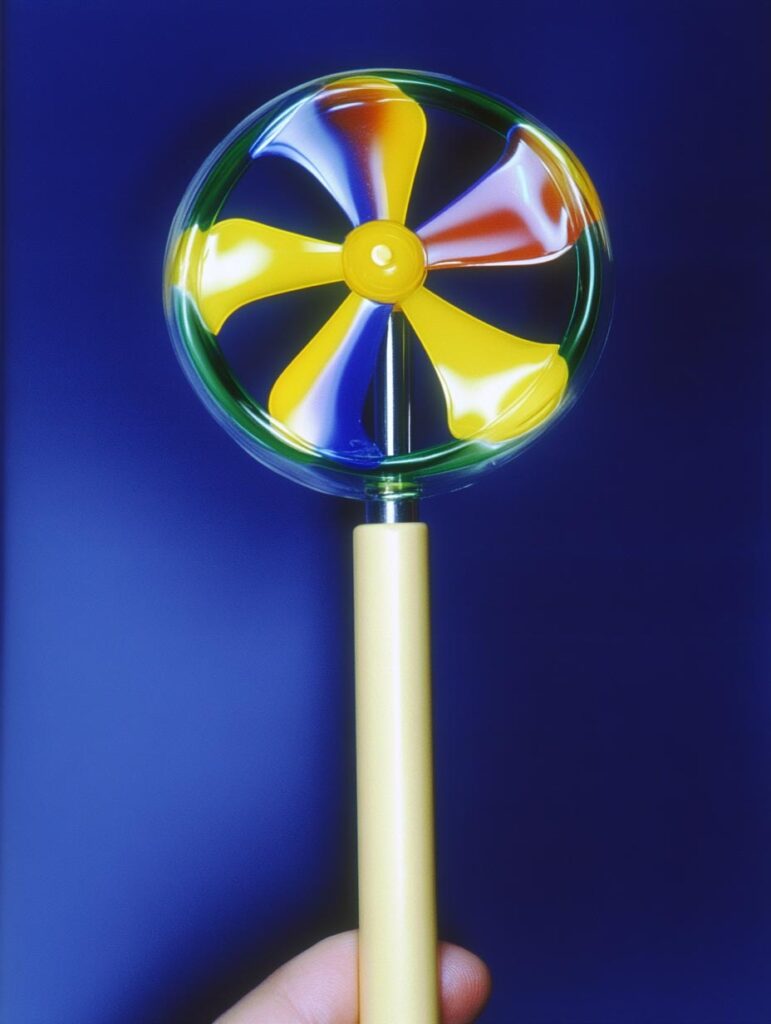
"Les aléas du vent" — The Whims of the Wind — is about uncertainty, about the future and the past. I started composing this album when I found out I was going to become a father. I was searching through childhood memories while also projecting myself into this new role. It's truly a quest for memories. The wind represents those memories — something that arrives either suddenly or very gently, but always fades away. And the "whims" because that search can be quite turbulent. Just like the prospect of becoming a father — it's full of uncertainty.
Temple Magazine
And how do you write your lyrics?
Matias Enaut
My writing process for this album was built around lots of small poetic punchlines, each tied to a memory. Whenever a flash came back to me, I'd write it down. And pieced together, I could see how they echoed my projections as a father — whenever I saw myself as a child, I'd imagine myself as the father with that child. These little punchlines would answer each other, creating structure and theme. And sometimes the rhythm of the music led me to new words, new sensations. There's also a track called "Un petit homme" whose text I rediscovered in an old folder — I'd written it at sixteen, in secondary school, and the memory of it came back to me while composing this album.
Temple Magazine
Is that also why the album is written in French?
Matias Enaut
Yes. It's easier for me to be intimate and personal in French than in English. I use English more for slogans — phrases you want to repeat on a loop. In French, I have more vocabulary, more nuance, so I can bring in more complexity. When something needs to stay very simple and direct, I like English for that.
Temple Magazine
There's also a very strong visual universe built around this album. How did that come together, who did you collaborate with?
Matias Enaut
It started with the theme of childhood memories. Then with a lunch with Alexis Jamet, at which point I already had the album title. The idea was to picture, on a desk, sheets of paper flying away in the wind. On that desk, various objects connected to childhood. That was the first image we had in mind. From there, I worked with Margaux Salirino to photograph and visualise a lot of objects from my childhood — a search for things that were graphically interesting but also meaningful, not just to me but to Margaux as well. Then we thought about how far these objects could be distorted by memory. Margaux worked on transforming them — making them misshapen, altered, embodying the quest for memories. We ended up with a mix of real and altered objects, which then served as material for Alexis Jamet and Laurent Allard to build a graphic universe. For the cover, I listed a whole set of memories for Laurent and Alexis to draw from — a harp, a cat, a football — and each of them brought a bit of themselves into it.
Temple Magazine
Collaborating with Alexis seems to be something you do consistently. Your relationship with image has been there from the very beginning.
Matias Enaut
I've been working with Alexis for a long time now. We've been collaborating since Le Bruit des pétales in 2020, and before that we'd already worked together on smaller clips. Knowing he'll be the one visually representing my music plays a part in how I compose. There's a lot of softness in what I do, something quite playful — and his graphic universe is very close to that. It's reassuring to have someone who backs the artistic direction of your projects. And beyond that, we keep collaborating on other things.

Temple Magazine
How do you see yourself evolving? There are more and more overlaps between music, contemporary art, fashion... And I get the sense you also want to push towards a different way of performing live.
Matias Enaut
Yes, that's something I want to push. In the age of AI in music, things are becoming very codified, very standardised. So there's a desire to find something truly performative. And to do that, you have to look to other mediums. On this album, I made sure you could hear my studio. Every time I recorded synths or guitars, I re-recorded them in the room — the sound was projected through my speakers and I placed microphones around the space to capture it. It creates a particular atmosphere, a very unique sound. I want to push that work to its extreme. I'd love to create a performative project tied to the very place where the album was made. There are lots of ideas in progress, all requiring thought about space, about performance, about how to visualise that performance so that people can grasp it.
Temple Magazine
Now that this album is out, what would you like to do with it?
Matias Enaut
I'm glad it's out. It's a photograph of my life, and I needed it to exist. It helped me know myself better. The search through childhood memories somehow filled a gap in my projection as a future artist — I now have a clearer vision of what I want to do: accept being a very hybrid artist, not just a singer, not bound by the codes of French chanson, but playing with everything and enjoying myself in the process. This album is also, in a way, a full stop on a very frantic way of composing — lots of lyrics, lots of music, lots of elements. What comes next, for me, is about refining all of that, stripping it back. And within this album there are plenty of leads to get there.