Jean-Paul Lespagnard
august 2026
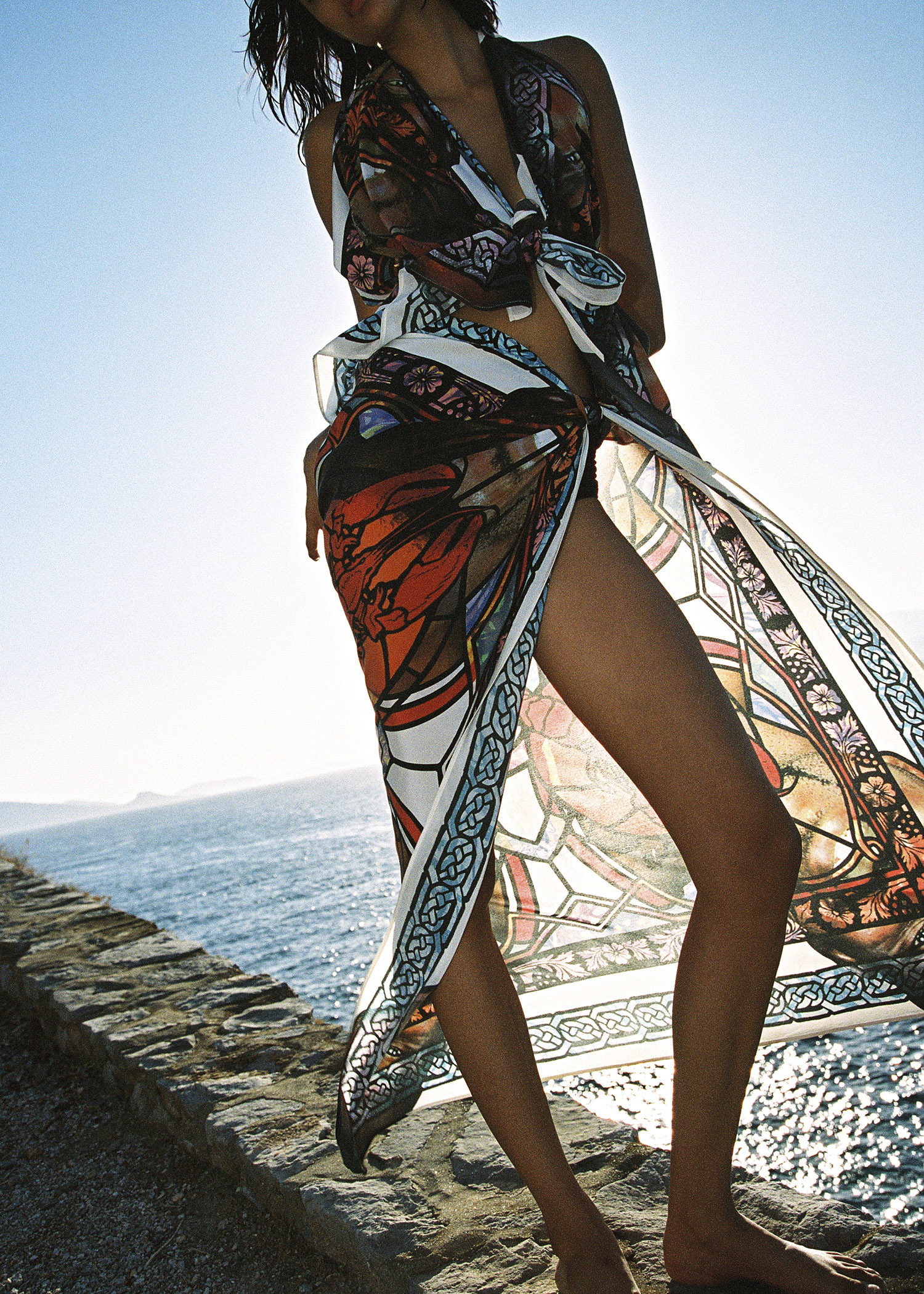
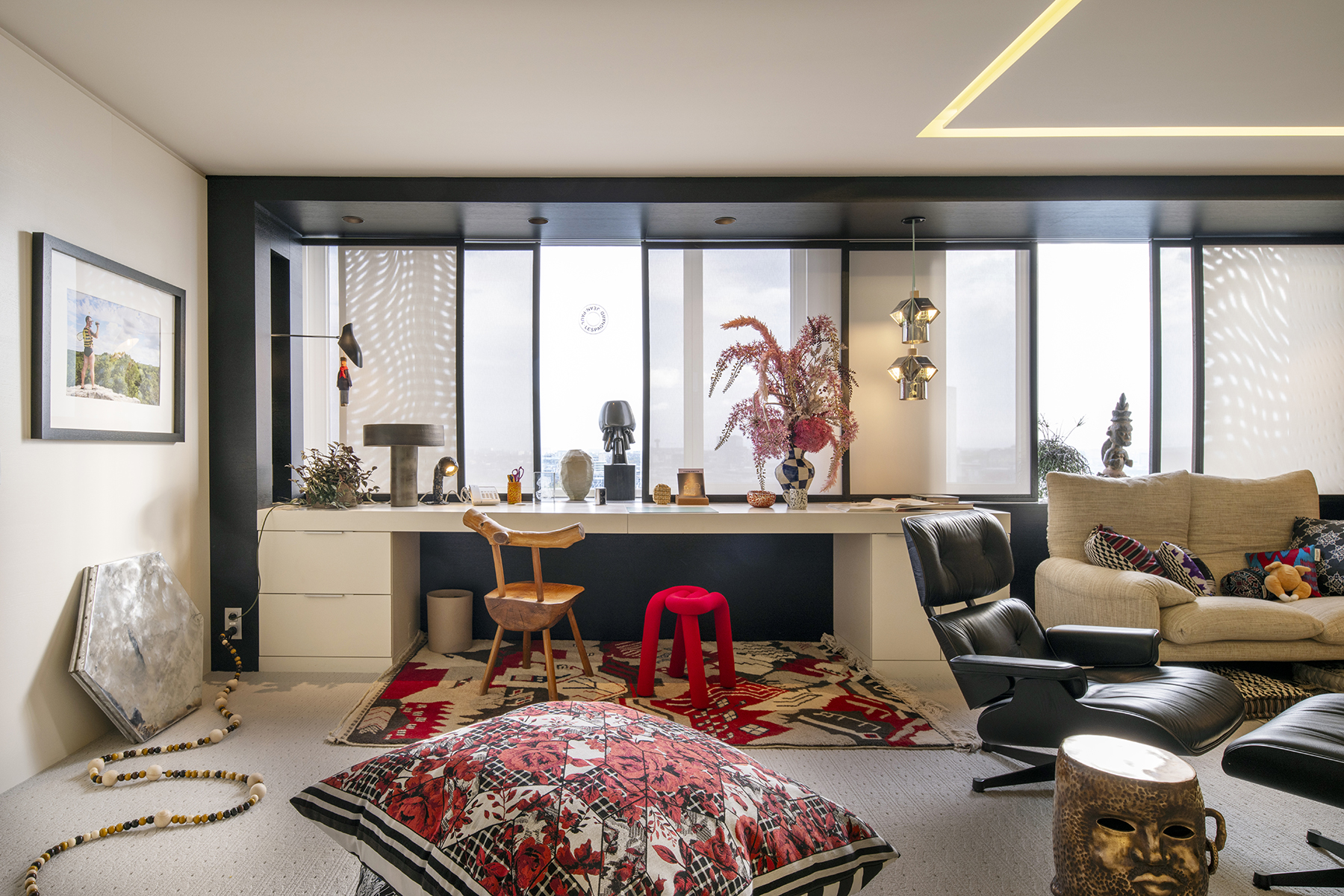
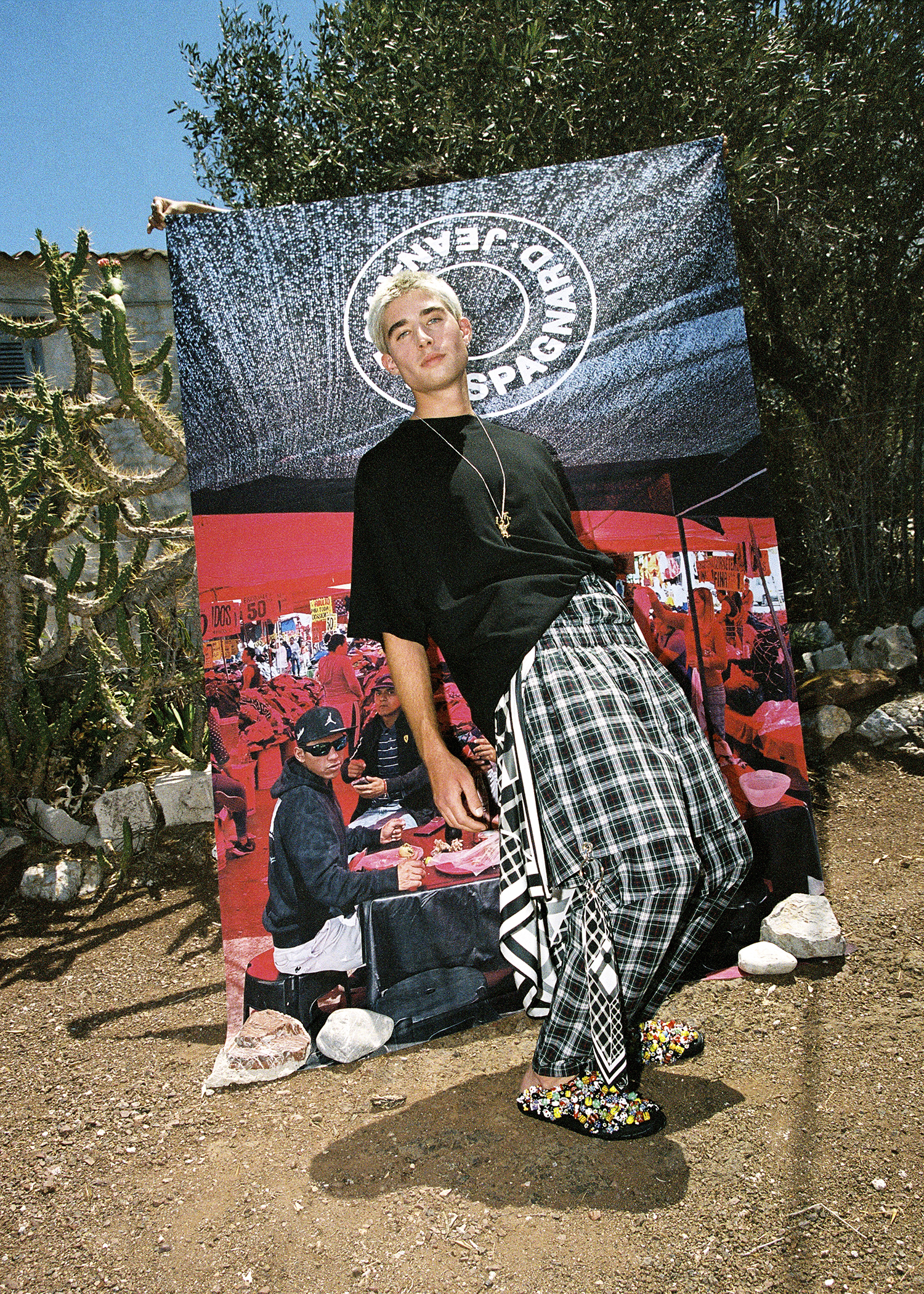
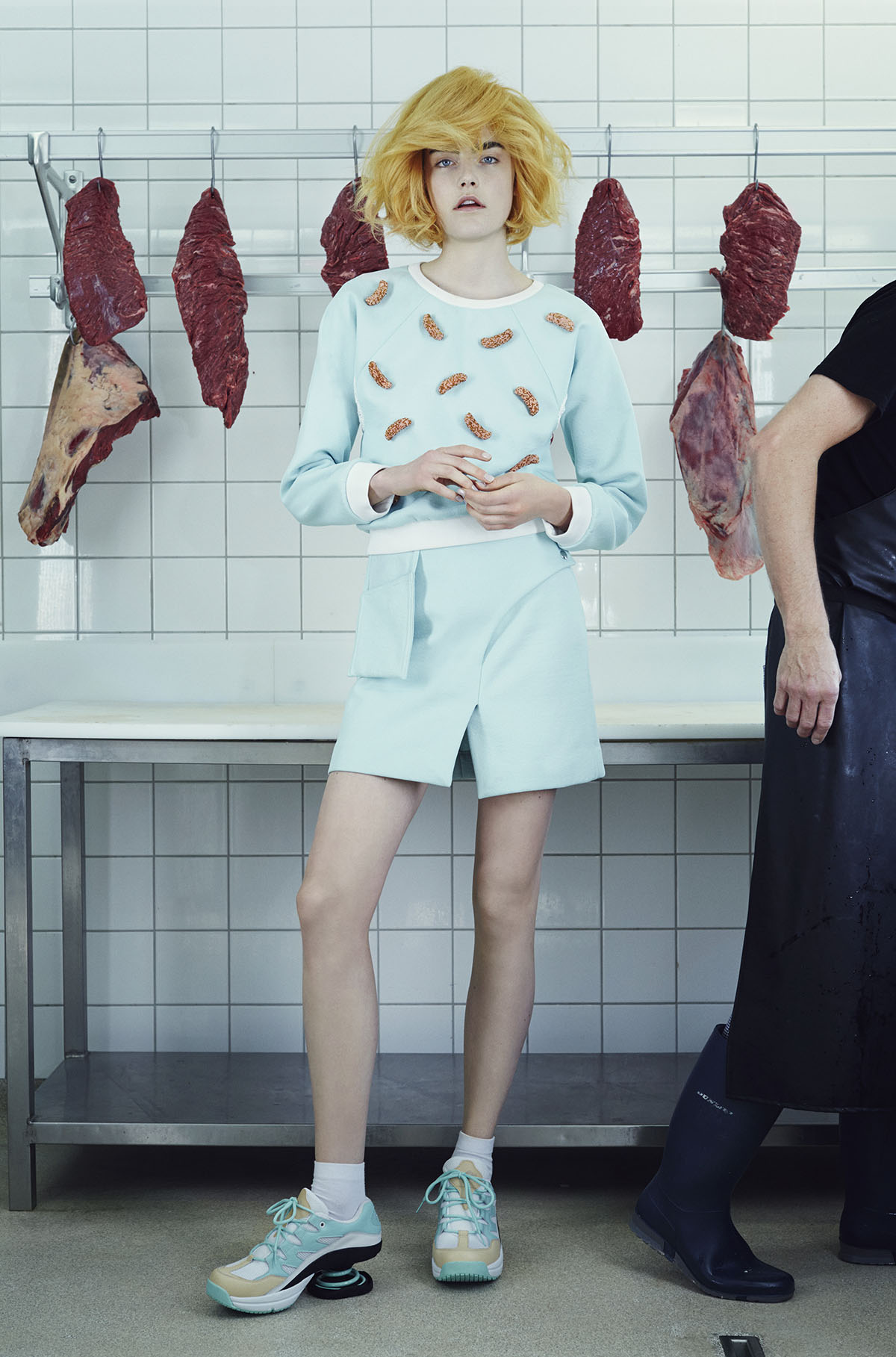
Jean-Paul Lespagnard is a designer in the broadest sense, moving fluidly between fashion, objects, interiors and dance costume to build his own universe. He talks about collaboration, movement, accessibility and the freedom of creating outside fixed categories.
Temple Magazine
Our first question is about the way you introduce yourself, the fact that you work across fashion, costume, and objects. If you were in a carpool or a rideshare and someone asked what you do, how would you describe your work?
Jean-Paul Lespagnard
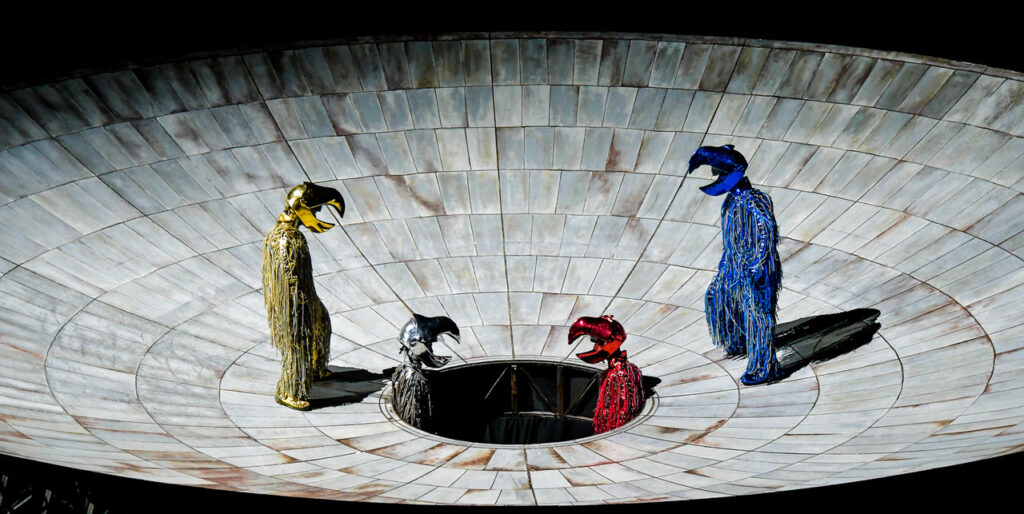
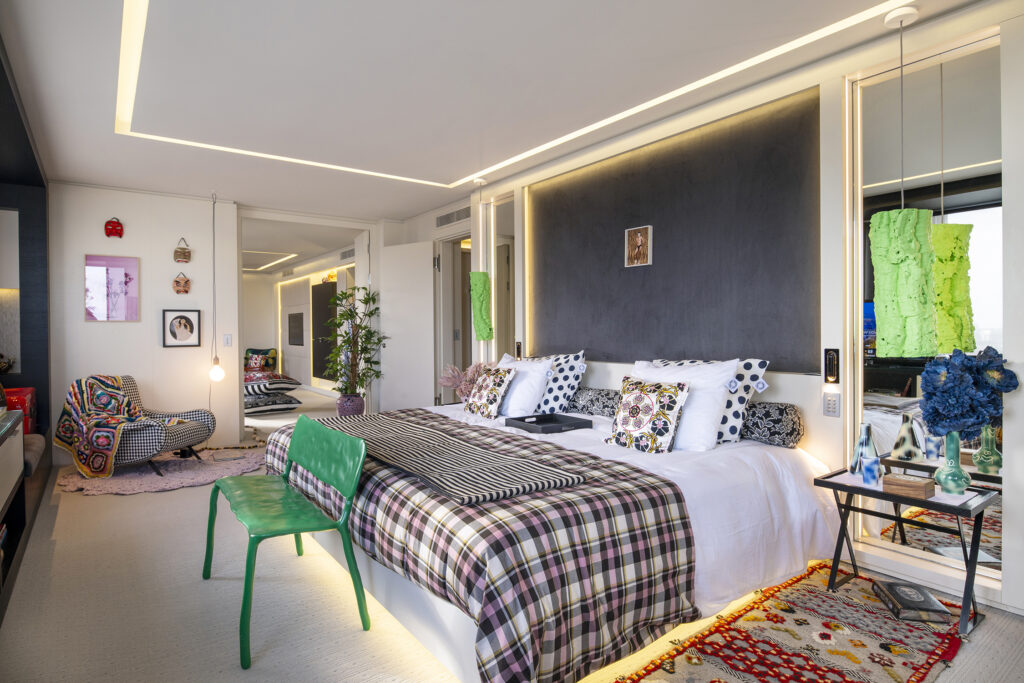
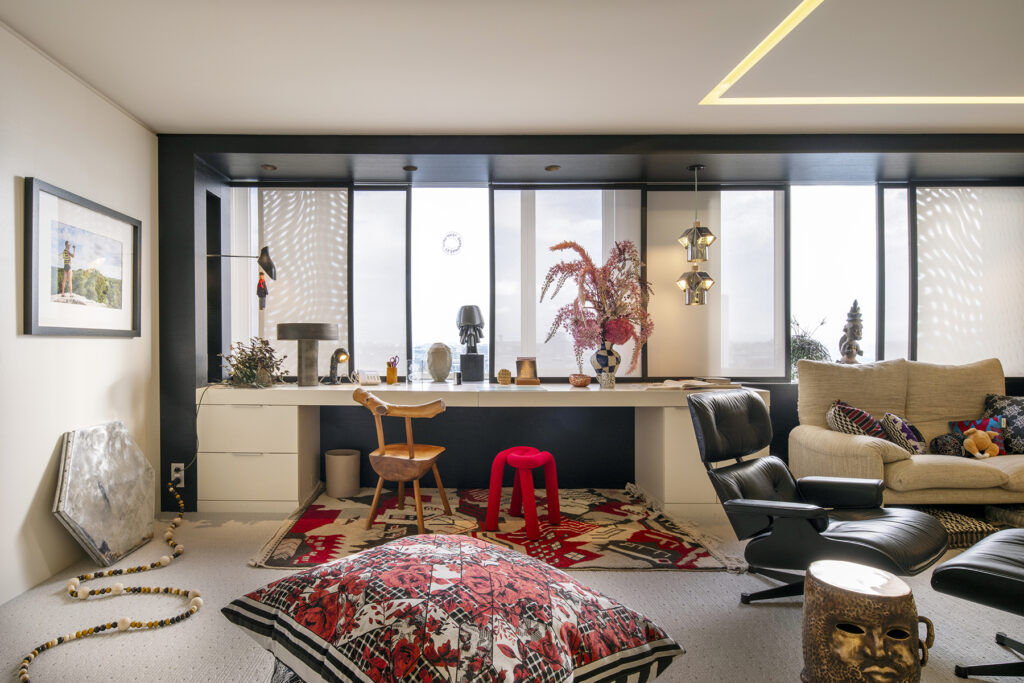
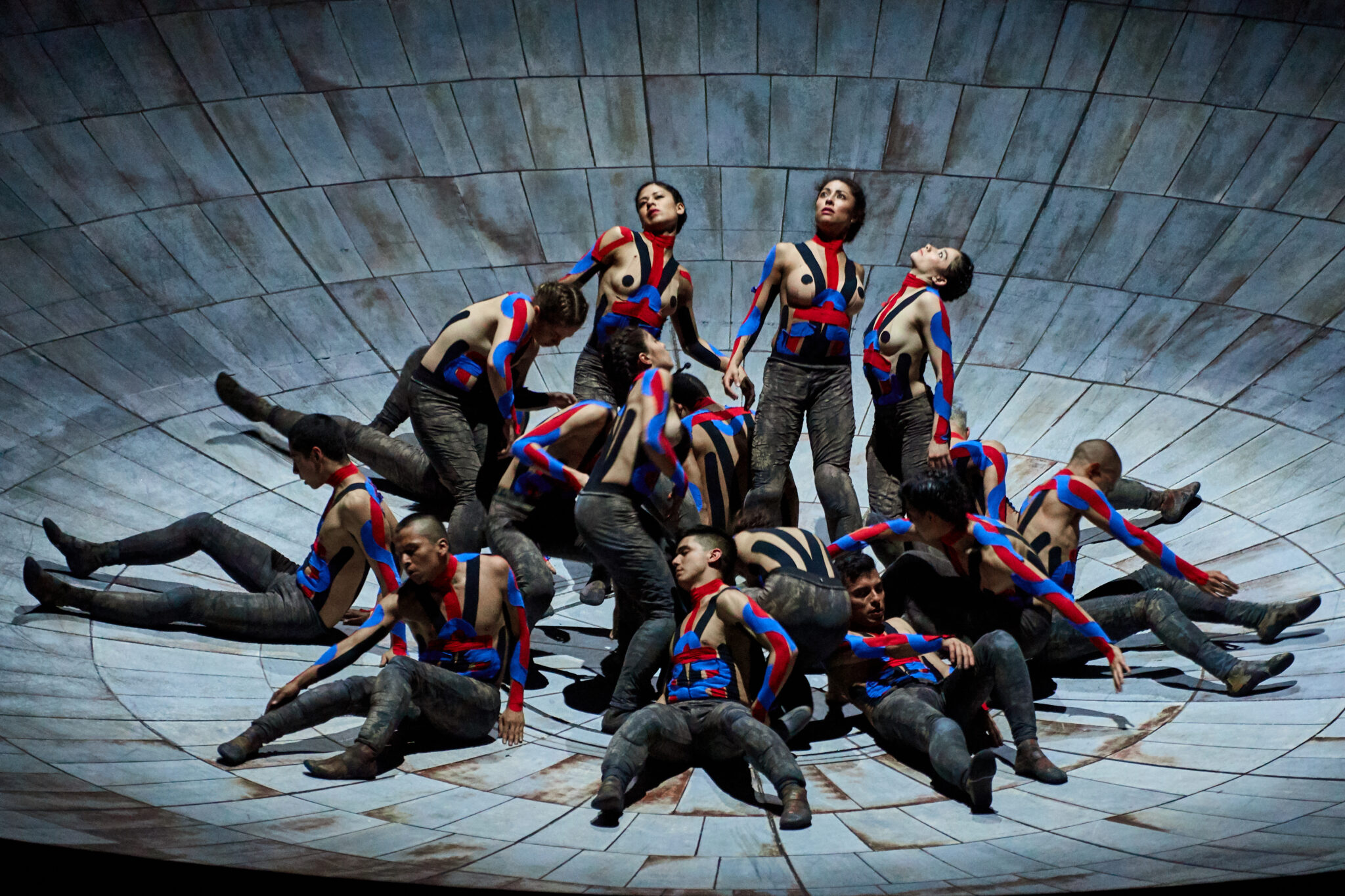
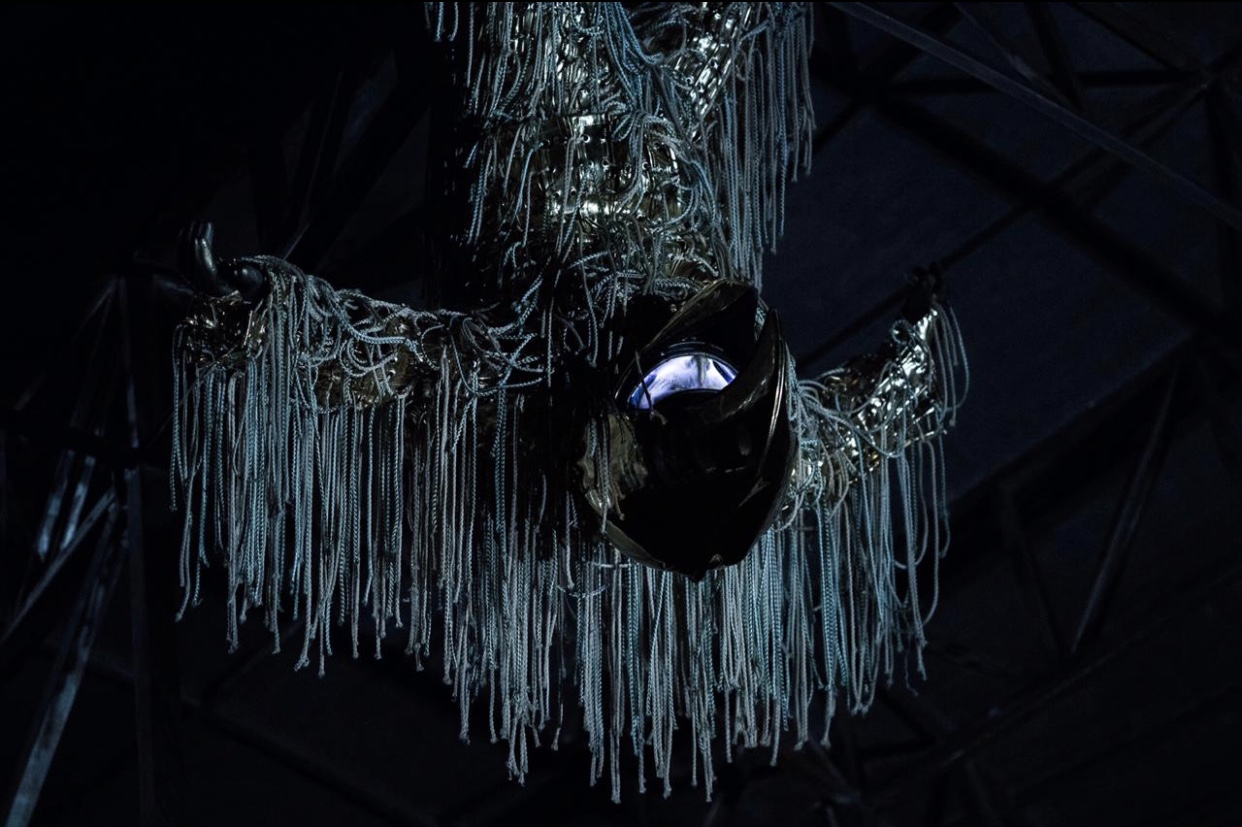
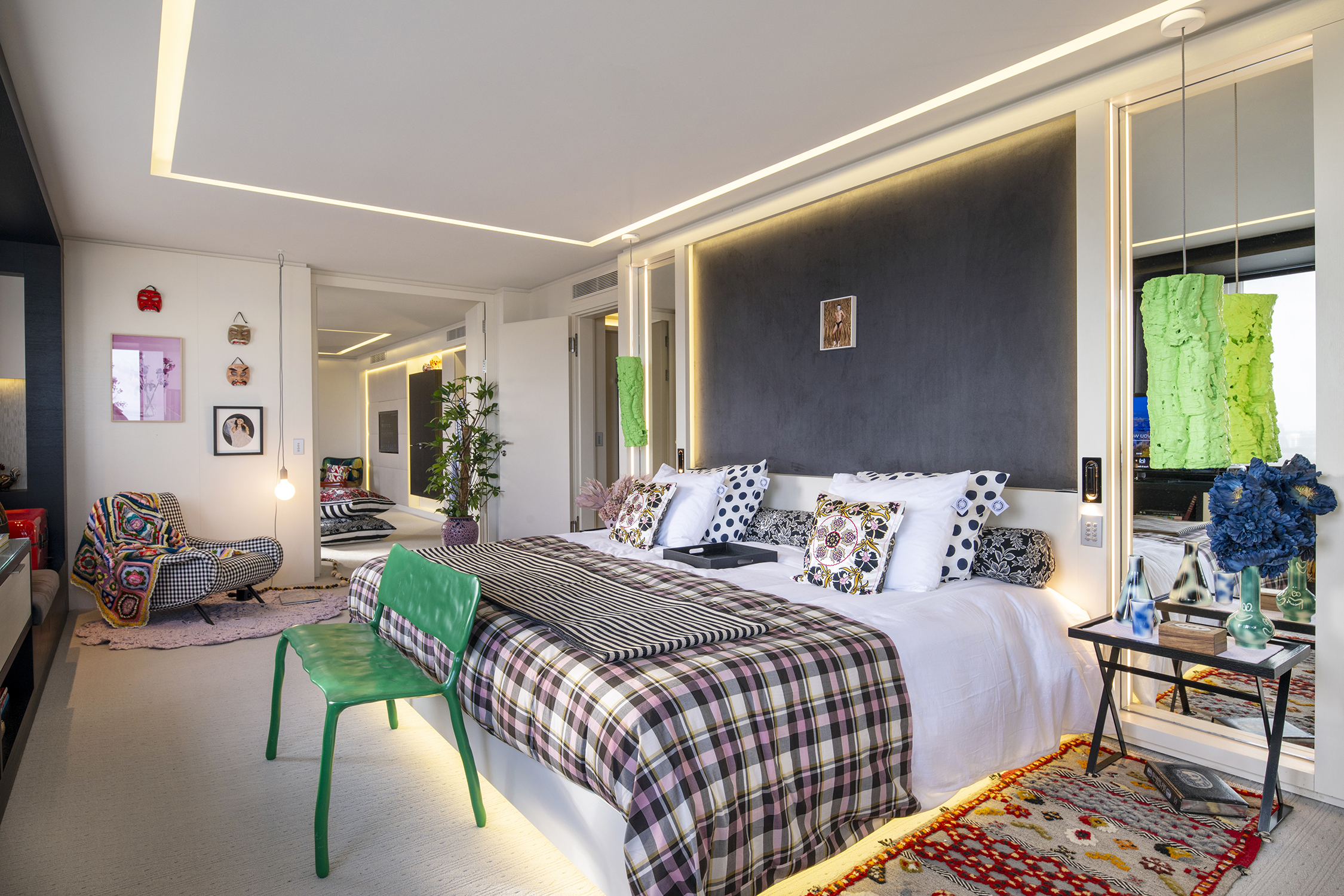
I introduce myself as a designer, in the very general sense of the term. I started with fashion, and through that medium I really developed a universe. And in developing that universe, naturally there were objects that came with it, object-making, creating interior worlds. There's also a passion for dance costumes. I love things that are in movement, never completely fixed, never exactly repeated, so it's a fairly logical passion for me.
What I try to do is really let all these mediums feed each other. Research I start for a fashion project can end up in an object, an interior, or a dance piece. I don't really separate them.
Temple Magazine
And is location important for you when you create? Are you really based in Brussels, or do you work while travelling?
Jean-Paul Lespagnard
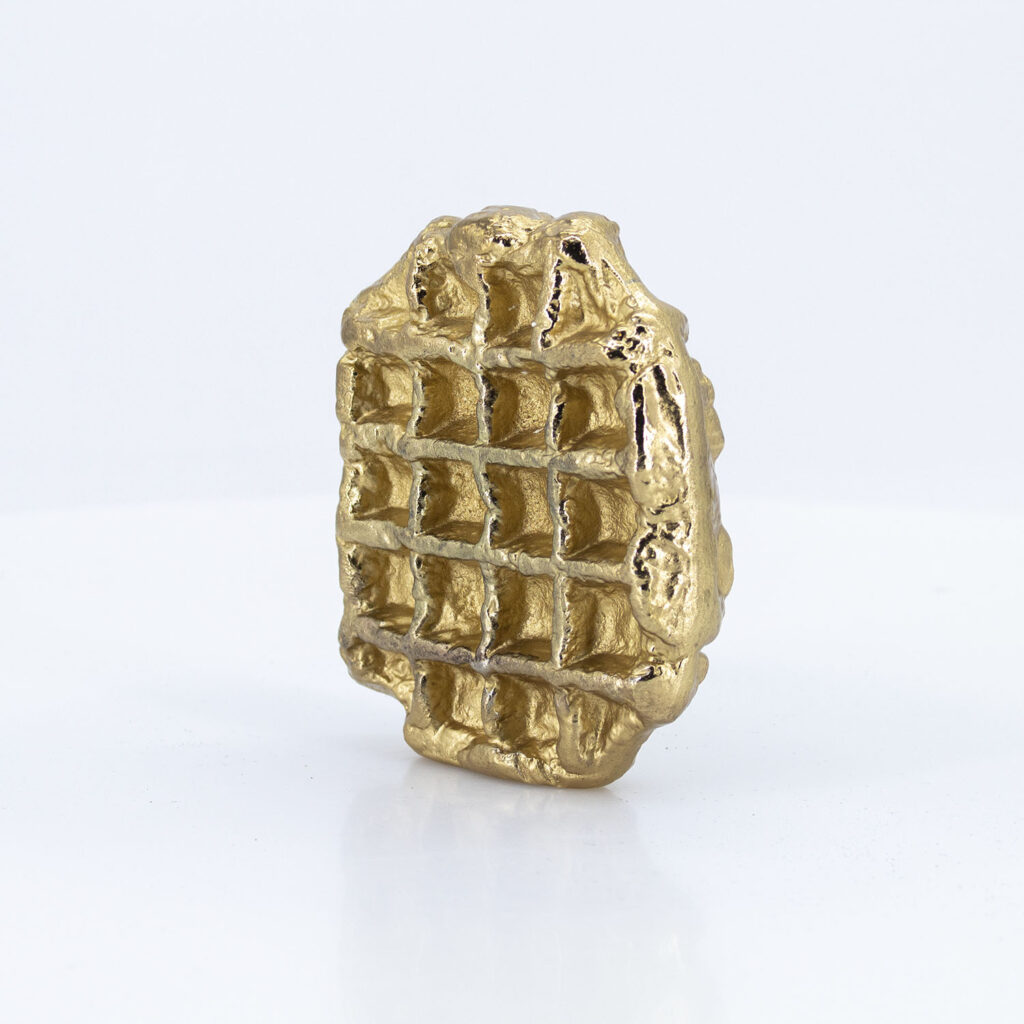
I'm based in Brussels, but I work a lot internationally. When I'm developing objects, I spend a lot of time with the people who make them. I need that exchange because they have knowledge and techniques that I don't have. Very often, the project evolves through that conversation. You discover that something can be done differently, or that a tiny change in a technique can take the object somewhere completely unexpected.
I work in Morocco, Mexico, India, Belgium, and across Europe. I go there, I don't work remotely. I want to see how things are made, understand the process. I also want to spend time in the place where the object is being made, meet people, experience the context, and let those encounters naturally influence the object. Very often, the final object is something I could never have imagined alone.
Temple Magazine
And your studio in Brussels, how is it structured?
Jean-Paul Lespagnard
The studio is me, and there's also Léa who works with me on larger productions. But depending on the projects, I bring in independents. If I'm doing a fashion collection, I might bring in a pattern-maker, a graphic designer… If I'm making costumes, I work with other people and so on.
Over the years I've developed a whole network of makers and producers. The same person I work with on accessories for a fashion collection can work with me on a dance project, or on objects. When I say I create a universe, I've also built the production system that goes with it.
Temple Magazine
Several designers work across disciplines like this. Is it something you've had to fight for, having people accept that plurality rather than reading you through a single lens?
Jean-Paul Lespagnard
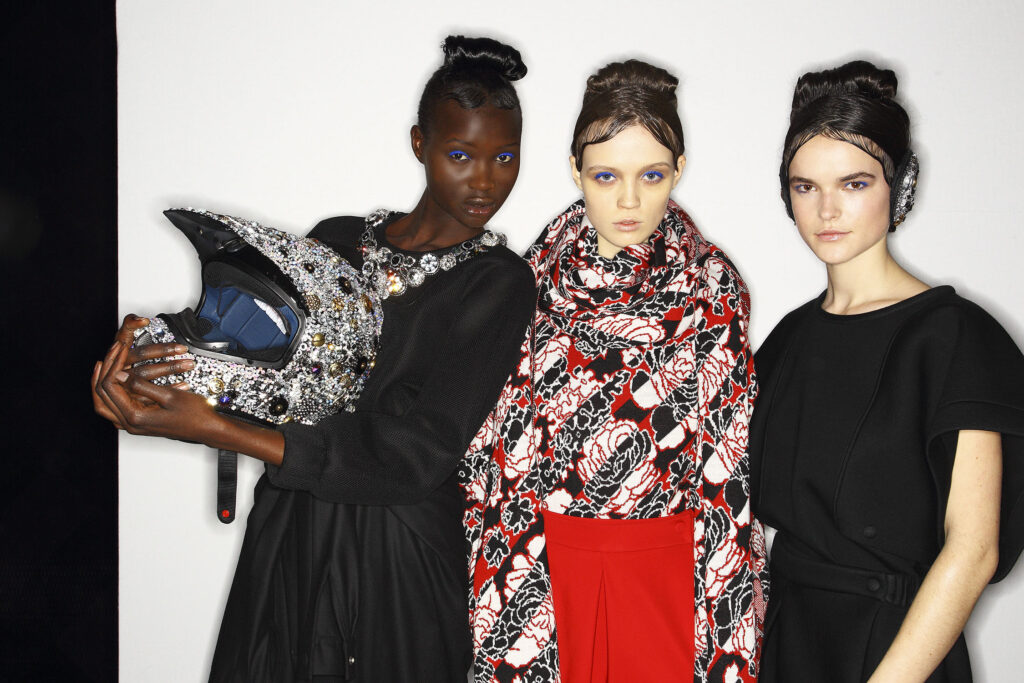
Actually, I don't really see it as something I had to fight for. I'm very happy to be part of a movement of designers who work like this. There were people before me who opened those doors and showed that a designer didn't necessarily have to stay within one discipline. I'm proud to be part of that lineage today, and hopefully to be one of the voices carrying it forward.
Of course, people still like categories. They make things easier to identify and communicate. But I think those boundaries are becoming less and less relevant in the world we are evolving in. What matters to me is not being multidisciplinary for the sake of it, but having the freedom not to let a category decide what I can or cannot do.
Temple Magazine
And your website must have been an important moment for you, putting everything on the same level, whether it's fashion or object curation.
Jean-Paul Lespagnard
Completely. And it's something I want to develop more and more.
I studied economics and fine arts before studying fashion design. I went all the way, I did Paris Fashion Week and so on. But as I moved through that world, I realised there were all these other things I wanted to share and I wasn't finding happiness.
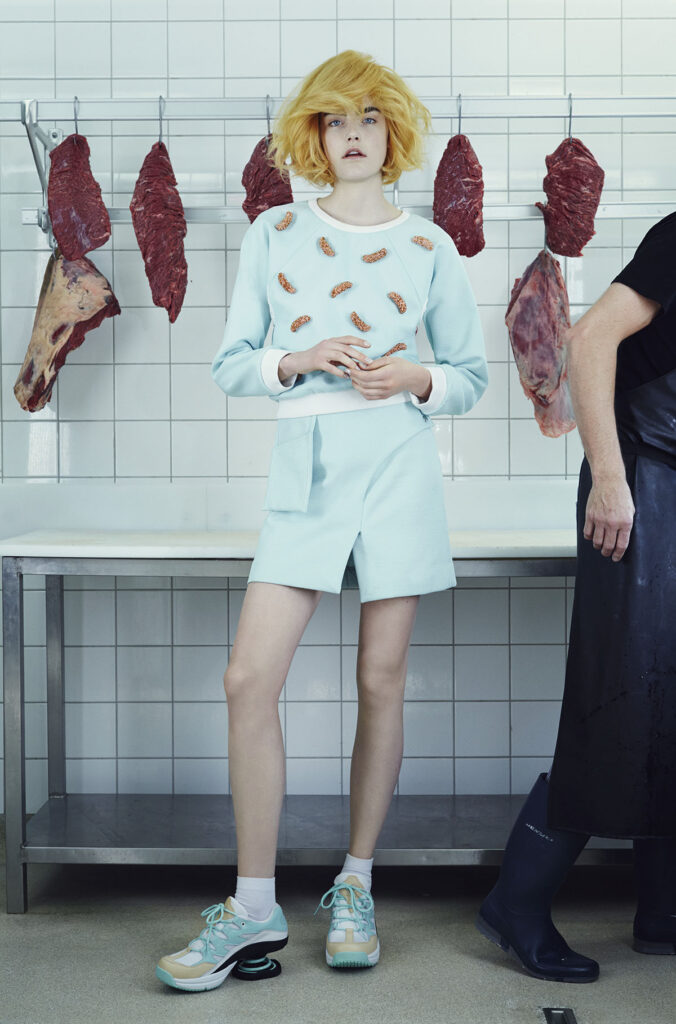
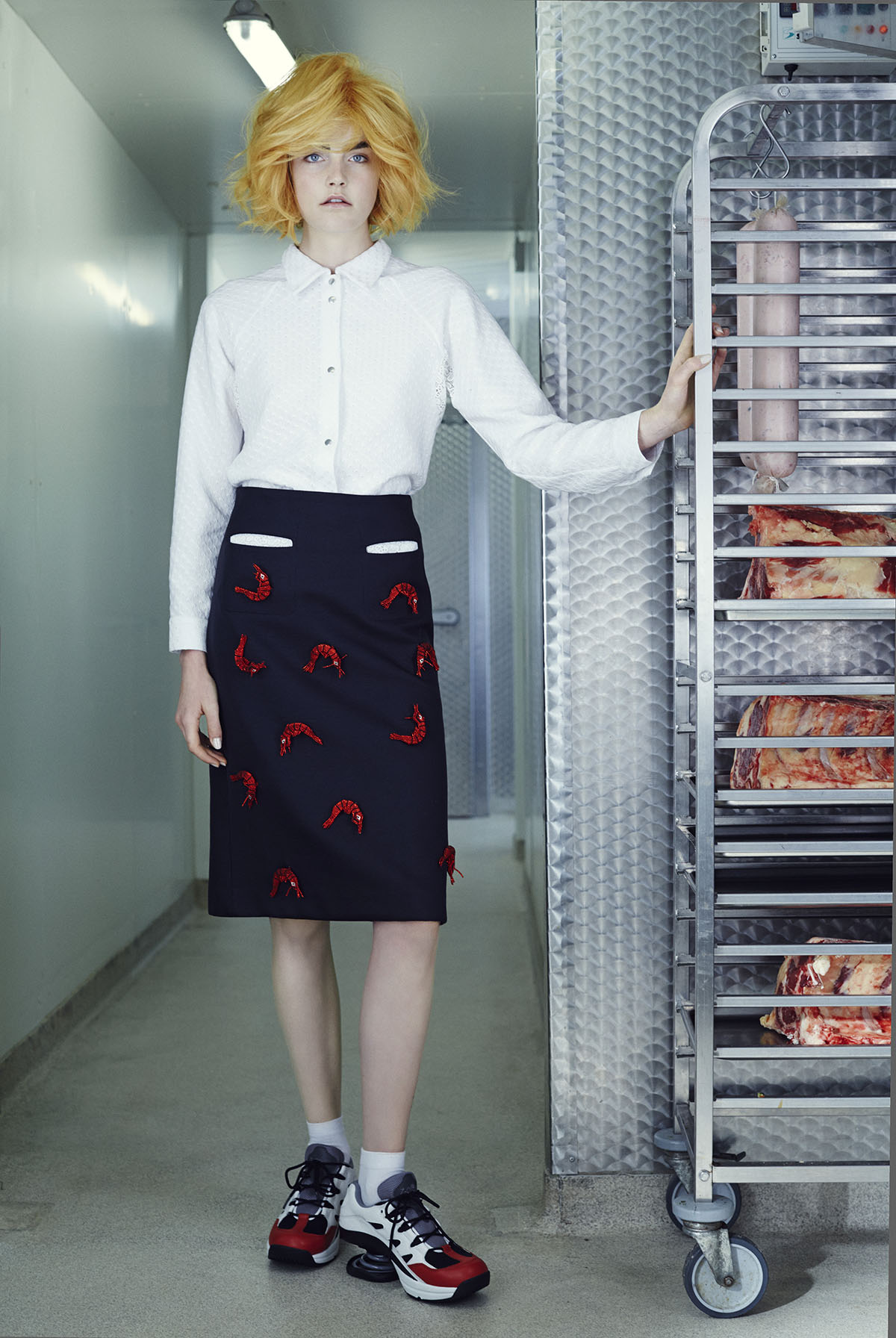
There was no great satisfaction in doing Paris Fashion Week, then going to Corso Como, Selfridges, I.T. or Boon The Shop and seeing a whole collection I'd created, a collection that had a complete universe behind it, sometimes involving artworks, installations and performances, reduced to ten isolated garments hanging in a shop. The people who saw those garments had no sense of everything that was behind them. That made me quite sad.
That's when I understood that I didn't want fashion to be the only frame through which people could enter my work. So I stepped away from that system and started building my own.
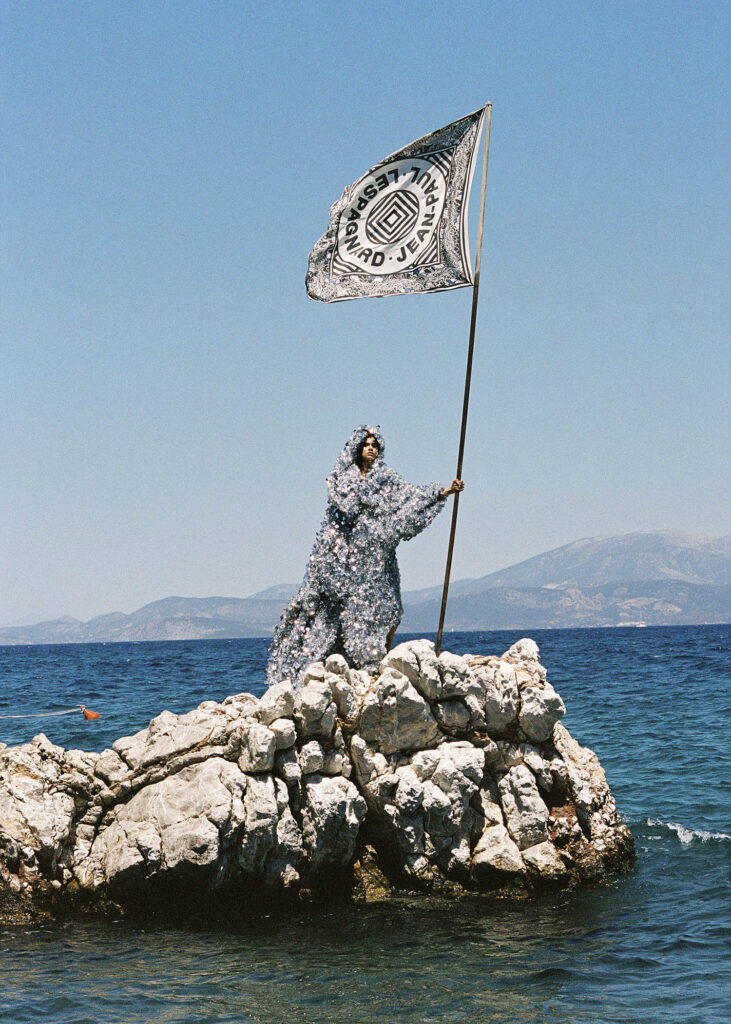
I often describe it as a mixing desk with lots of faders. Fashion is one, collaborations are another, objects, costumes, commissions... I can push one up and another down depending on where the energy is, what makes sense at that moment, and of course what can sustain the whole practice.
Right now the fashion fader is quite low. We all know the traditional fashion retail system is pretty fucked up, but fashion is still there. Other faders, like collaborations, commissions and larger projects, are much higher.
I was never very interested in being visible all the time. I've always followed my own path and convictions. Sometimes that might give the impression that I've disappeared from the radar, but I'm actually always working. The work just appears in different places and different forms.
It makes me sad to see independent designers exhaust themselves trying to keep up with it, while the most powerful players continue to uphold it as the norm. It creates this strange situation where we are expected to play by the same rules.
For me, that mixing desk has become a way of keeping the practice alive and responsive. That's also the freedom that working across disciplines allows.
Temple Magazine
And how do you select your projects and collaborations, do you have criteria?
Jean-Paul Lespagnard
I need to feel that there is a real reason for me to be there. If it's just a commercial project with no meaning, it doesn't interest me.
For example, if someone asked me to design a bag produced in 10,000 copies in a factory I don't know, to end up in shops around the world two weeks later, that doesn't interest me.
And with dance projects too, it doesn't interest me to just design costumes, exchange two minutes with the choreographer, send them off and never see what happens. When I participate in a dance project, I need to be in the rehearsals, to think alongside the choreographer and the dancers. I need the project to feed me creatively too. I want to come out of it having learned something I didn't know before.
Temple Magazine
And within those dance projects, how does the body influence the creation of the garment?
Jean-Paul Lespagnard
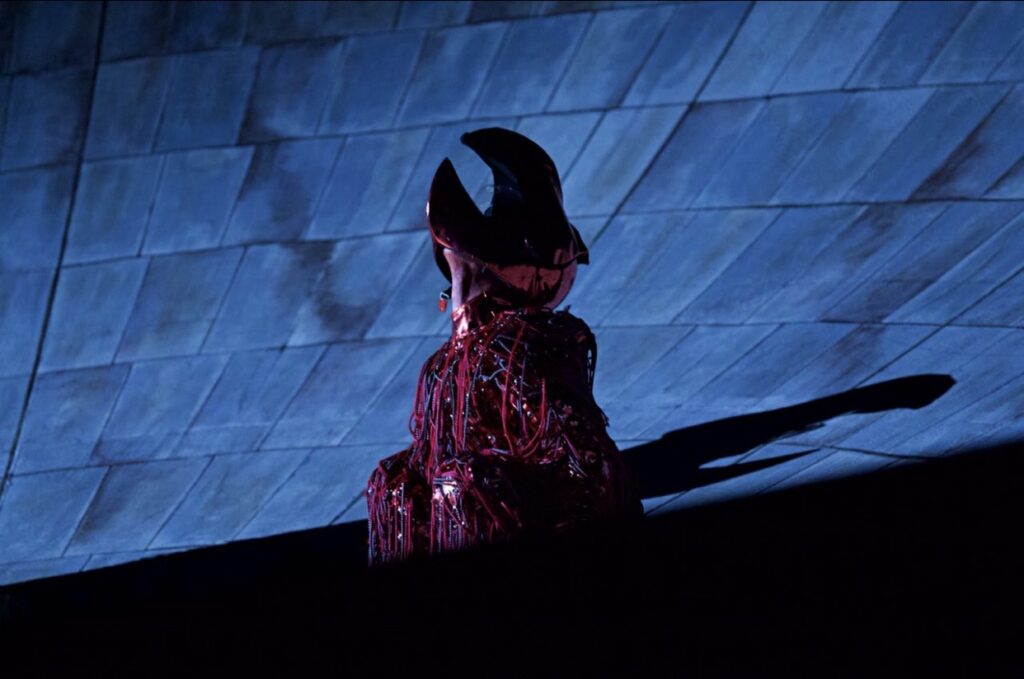
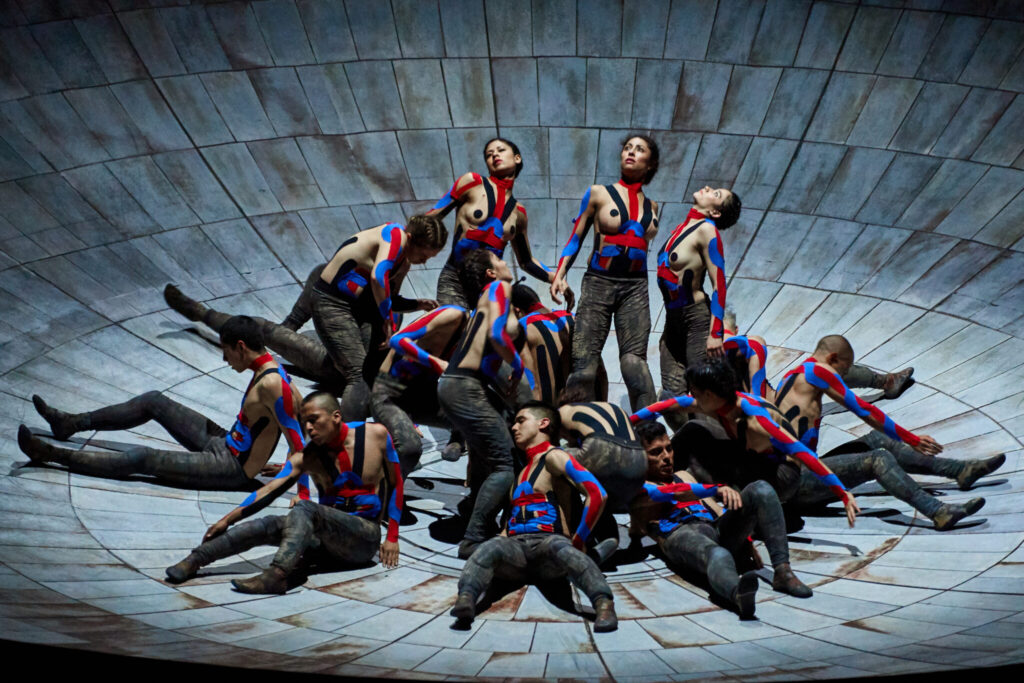
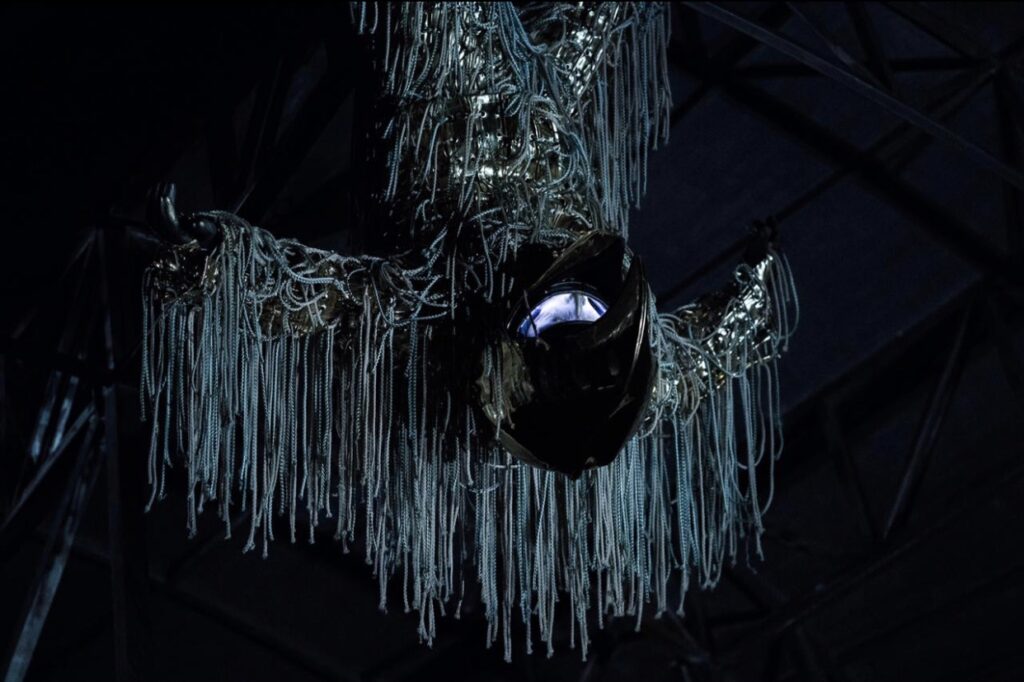
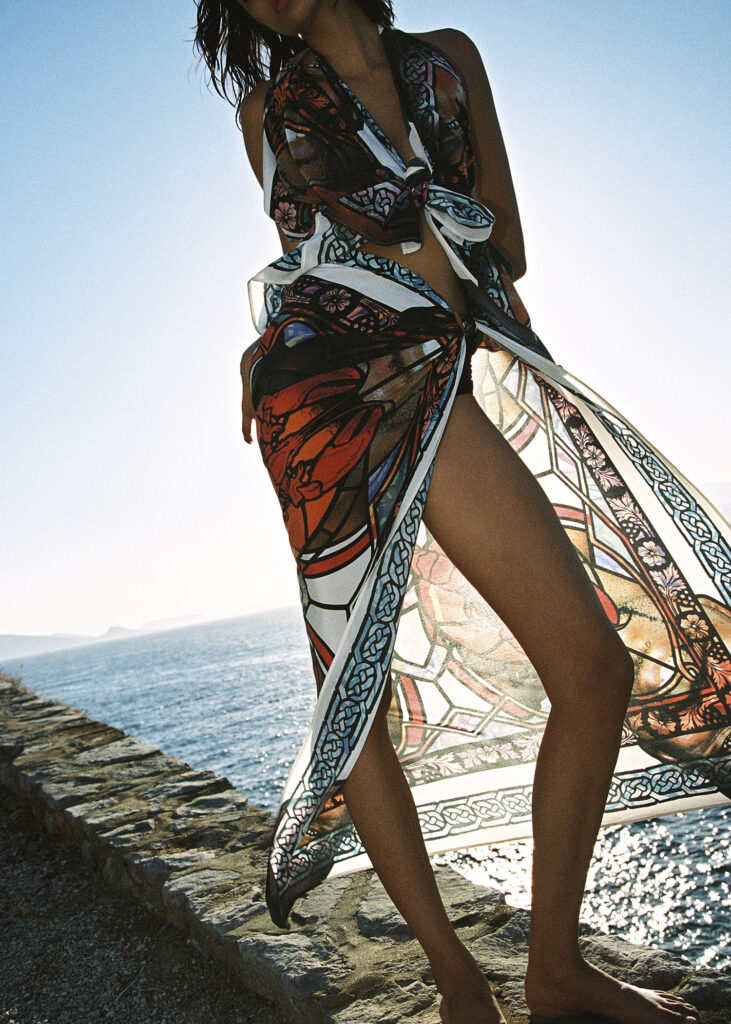
I think it's the body and the intention. I'm interested in what happens to a garment once the body starts moving inside it. Sometimes the movement reveals something in the garment that you couldn't see when it was static, and sometimes the garment changes the way the body moves. That's where it becomes interesting for me.
Even in my fashion collections there's always been a lot of freedom of movement. I think that's partly why people come to me for dance, it's something quite natural in what I do.
Comfort is important, unless the idea is specifically to create a constraint. I'm also interested in the fact that a garment can transform through performance. In my collections you can feel that quite strongly too. A piece can be worn in multiple ways, for different occasions, or mixed differently with other pieces. I don't like things to be completely fixed.
Temple Magazine
One last question. Our next issue, coming out in 2027, is on the theme of Kink: in the sense of fixations, obsessions, creative manias. What's yours?
Jean-Paul Lespagnard
I think one of my biggest creative obsessions is something I often describe in French as Populaire Pointu. It's difficult to translate exactly, but for me it's the idea that something can be sharp, demanding, sometimes completely “what the actual fuck?”, and still connect with people very directly.
I often think about my family, still living in the region where we grew up. I imagine them coming to see an exhibition I've made or a performance I've worked on. If they couldn't enter into it because the work felt too elitist or closed, that would make me really sad. Not because they need to understand everything, but because I never want someone to feel that the work isn't for them. But it also works the other way around. I've sometimes felt that when something is very popular, very immediate or very joyful, certain parts of the design world can dismiss it, as if accessibility somehow made something less intelligent or less relevant. I really reject that hierarchy. Something popular can be extremely sharp, and something sophisticated isn't necessarily more intelligent. And both can connect people.
That's probably the obsession: bringing these worlds together without asking one to become the other. I have never believed they should be separate, and I never will.
Temple Magazine
Our first question is about the way you introduce yourself, the fact that you work across fashion, costume, and objects. If you were in a carpool or a rideshare and someone asked what you do, how would you describe your work?
Jean-Paul Lespagnard
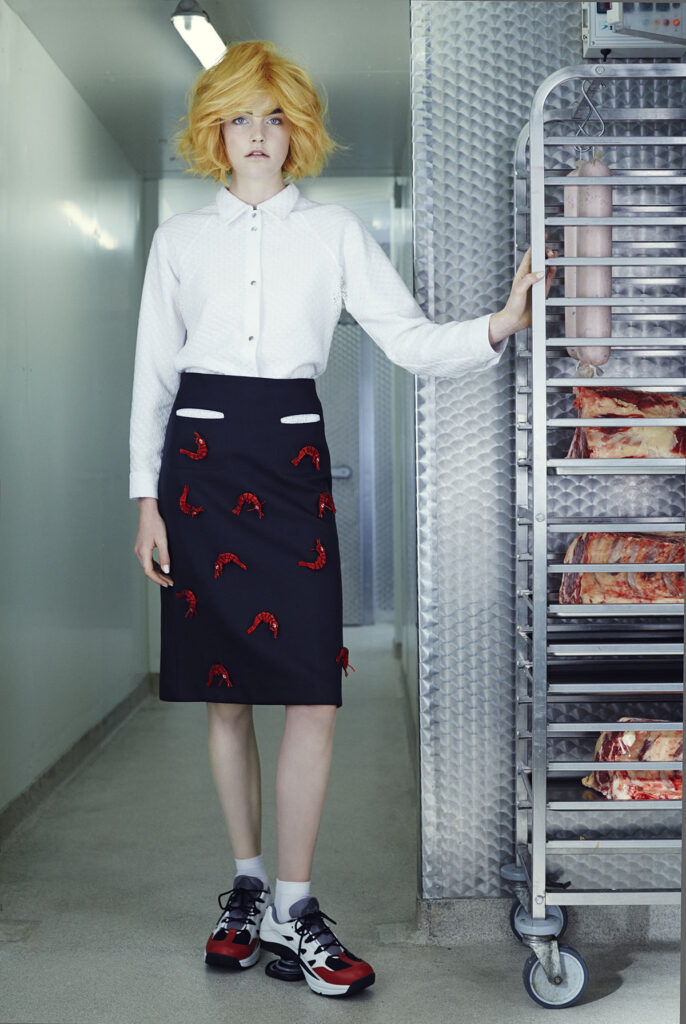
I introduce myself as a designer, in the very general sense of the term. I started with fashion, and through that medium I really developed a universe. And in developing that universe, naturally there were objects that came with it, object-making, creating interior worlds. There's also a passion for dance costumes. I love things that are in movement, never completely fixed, never exactly repeated, so it's a fairly logical passion for me.
What I try to do is really let all these mediums feed each other. Research I start for a fashion project can end up in an object, an interior, or a dance piece. I don't really separate them.
Temple Magazine
And is location important for you when you create? Are you really based in Brussels, or do you work while travelling?
Jean-Paul Lespagnard
I'm based in Brussels, but I work a lot internationally. When I'm developing objects, I spend a lot of time with the people who make them. I need that exchange because they have knowledge and techniques that I don't have. Very often, the project evolves through that conversation. You discover that something can be done differently, or that a tiny change in a technique can take the object somewhere completely unexpected.
I work in Morocco, Mexico, India, Belgium, and across Europe. I go there, I don't work remotely. I want to see how things are made, understand the process. I also want to spend time in the place where the object is being made, meet people, experience the context, and let those encounters naturally influence the object. Very often, the final object is something I could never have imagined alone.
Temple Magazine
And your studio in Brussels, how is it structured?
Jean-Paul Lespagnard
The studio is me, and there's also Léa who works with me on larger productions. But depending on the projects, I bring in independents. If I'm doing a fashion collection, I might bring in a pattern-maker, a graphic designer… If I'm making costumes, I work with other people and so on.
Over the years I've developed a whole network of makers and producers. The same person I work with on accessories for a fashion collection can work with me on a dance project, or on objects. When I say I create a universe, I've also built the production system that goes with it.
Temple Magazine
Several designers work across disciplines like this. Is it something you've had to fight for, having people accept that plurality rather than reading you through a single lens?
Jean-Paul Lespagnard
Actually, I don't really see it as something I had to fight for. I'm very happy to be part of a movement of designers who work like this. There were people before me who opened those doors and showed that a designer didn't necessarily have to stay within one discipline. I'm proud to be part of that lineage today, and hopefully to be one of the voices carrying it forward.
Of course, people still like categories. They make things easier to identify and communicate. But I think those boundaries are becoming less and less relevant in the world we are evolving in. What matters to me is not being multidisciplinary for the sake of it, but having the freedom not to let a category decide what I can or cannot do.
Temple Magazine
And your website must have been an important moment for you, putting everything on the same level, whether it's fashion or object curation.
Jean-Paul Lespagnard
Completely. And it's something I want to develop more and more.
I studied economics and fine arts before studying fashion design. I went all the way, I did Paris Fashion Week and so on. But as I moved through that world, I realised there were all these other things I wanted to share and I wasn't finding happiness.
There was no great satisfaction in doing Paris Fashion Week, then going to Corso Como, Selfridges, I.T. or Boon The Shop and seeing a whole collection I'd created, a collection that had a complete universe behind it, sometimes involving artworks, installations and performances, reduced to ten isolated garments hanging in a shop. The people who saw those garments had no sense of everything that was behind them. That made me quite sad.
That's when I understood that I didn't want fashion to be the only frame through which people could enter my work. So I stepped away from that system and started building my own.
I often describe it as a mixing desk with lots of faders. Fashion is one, collaborations are another, objects, costumes, commissions... I can push one up and another down depending on where the energy is, what makes sense at that moment, and of course what can sustain the whole practice.
Right now the fashion fader is quite low. We all know the traditional fashion retail system is pretty fucked up, but fashion is still there. Other faders, like collaborations, commissions and larger projects, are much higher.
I was never very interested in being visible all the time. I've always followed my own path and convictions. Sometimes that might give the impression that I've disappeared from the radar, but I'm actually always working. The work just appears in different places and different forms.
It makes me sad to see independent designers exhaust themselves trying to keep up with it, while the most powerful players continue to uphold it as the norm. It creates this strange situation where we are expected to play by the same rules.
For me, that mixing desk has become a way of keeping the practice alive and responsive. That's also the freedom that working across disciplines allows.
Temple Magazine
And how do you select your projects and collaborations, do you have criteria?
Jean-Paul Lespagnard
I need to feel that there is a real reason for me to be there. If it's just a commercial project with no meaning, it doesn't interest me.
For example, if someone asked me to design a bag produced in 10,000 copies in a factory I don't know, to end up in shops around the world two weeks later, that doesn't interest me.
And with dance projects too, it doesn't interest me to just design costumes, exchange two minutes with the choreographer, send them off and never see what happens. When I participate in a dance project, I need to be in the rehearsals, to think alongside the choreographer and the dancers. I need the project to feed me creatively too. I want to come out of it having learned something I didn't know before.
Temple Magazine
And within those dance projects, how does the body influence the creation of the garment?
Jean-Paul Lespagnard
I think it's the body and the intention. I'm interested in what happens to a garment once the body starts moving inside it. Sometimes the movement reveals something in the garment that you couldn't see when it was static, and sometimes the garment changes the way the body moves. That's where it becomes interesting for me.
Even in my fashion collections there's always been a lot of freedom of movement. I think that's partly why people come to me for dance, it's something quite natural in what I do.
Comfort is important, unless the idea is specifically to create a constraint. I'm also interested in the fact that a garment can transform through performance. In my collections you can feel that quite strongly too. A piece can be worn in multiple ways, for different occasions, or mixed differently with other pieces. I don't like things to be completely fixed.
Temple Magazine
One last question. Our next issue, coming out in 2027, is on the theme of Kink: in the sense of fixations, obsessions, creative manias. What's yours?
Jean-Paul Lespagnard
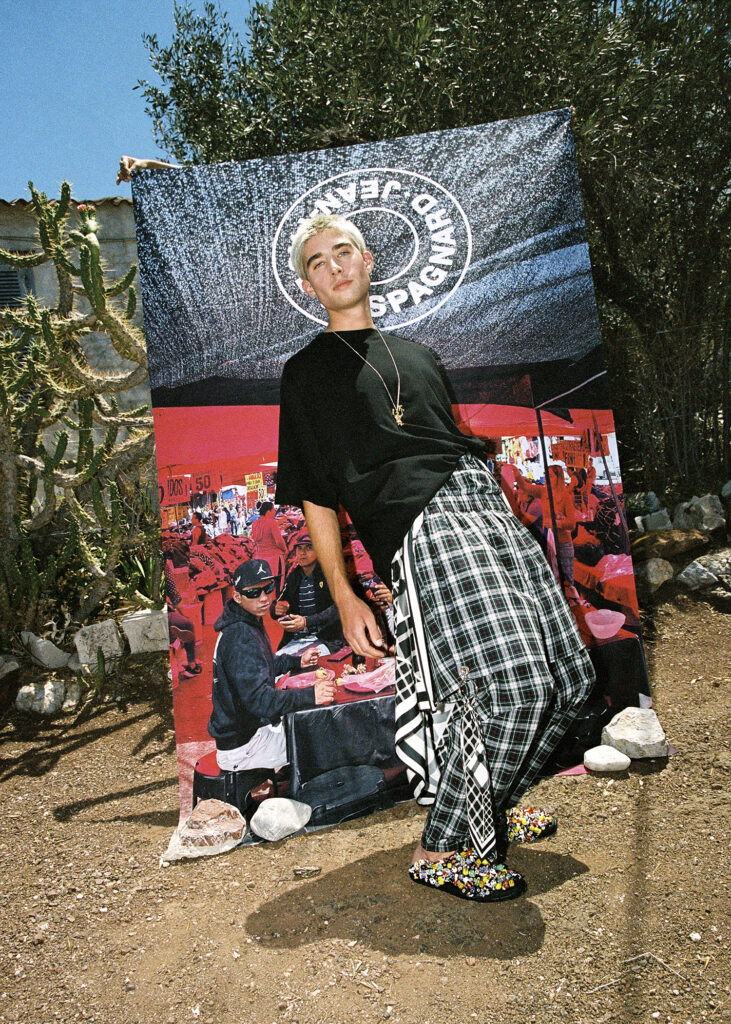
I think one of my biggest creative obsessions is something I often describe in French as Populaire Pointu. It's difficult to translate exactly, but for me it's the idea that something can be sharp, demanding, sometimes completely “what the actual fuck?”, and still connect with people very directly.
I often think about my family, still living in the region where we grew up. I imagine them coming to see an exhibition I've made or a performance I've worked on. If they couldn't enter into it because the work felt too elitist or closed, that would make me really sad. Not because they need to understand everything, but because I never want someone to feel that the work isn't for them. But it also works the other way around. I've sometimes felt that when something is very popular, very immediate or very joyful, certain parts of the design world can dismiss it, as if accessibility somehow made something less intelligent or less relevant. I really reject that hierarchy. Something popular can be extremely sharp, and something sophisticated isn't necessarily more intelligent. And both can connect people.
That's probably the obsession: bringing these worlds together without asking one to become the other. I have never believed they should be separate, and I never will.