Tati
Love is forever isn’t it?
February 2026
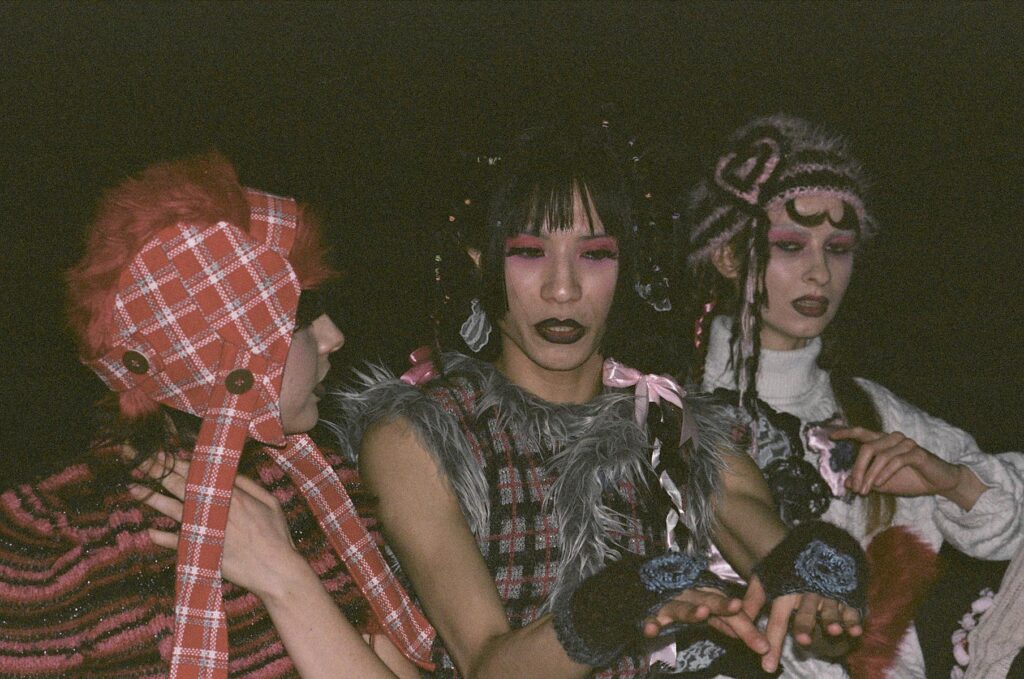
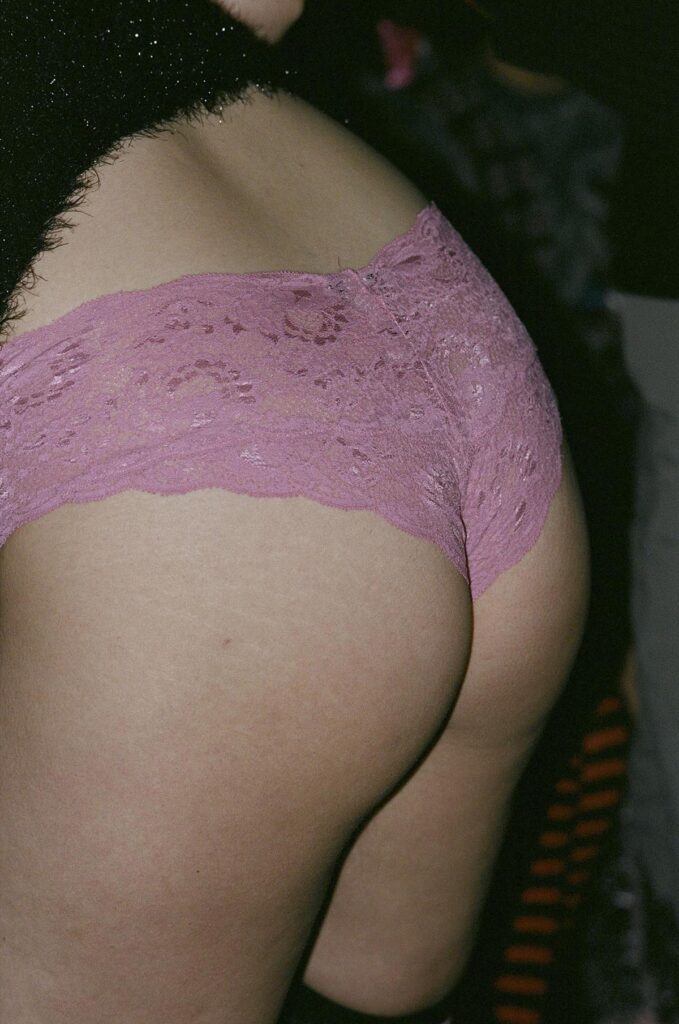
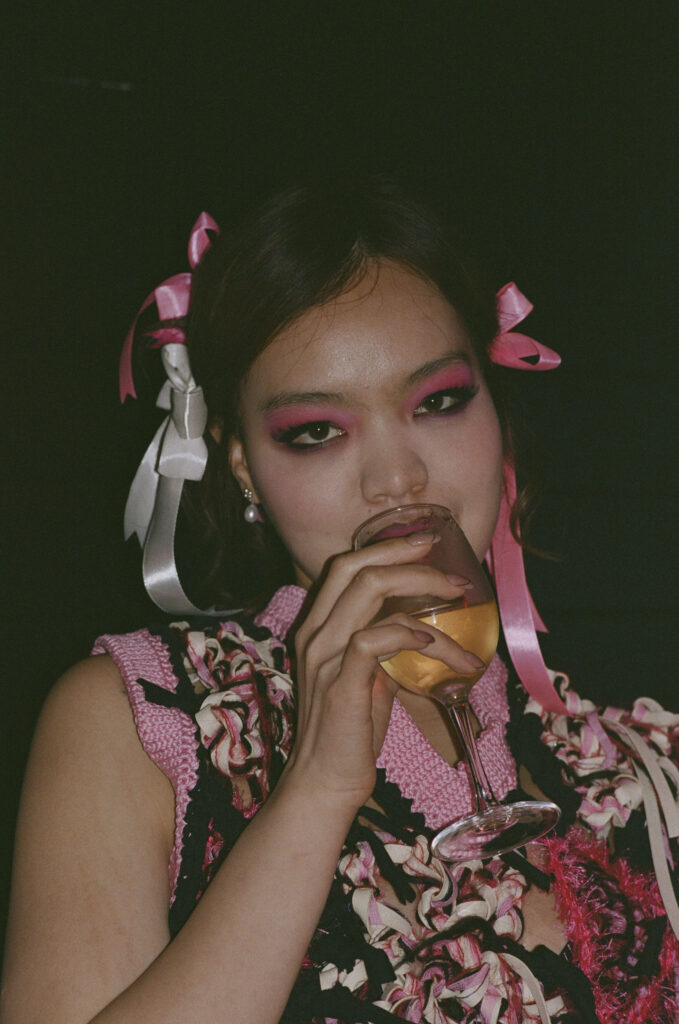
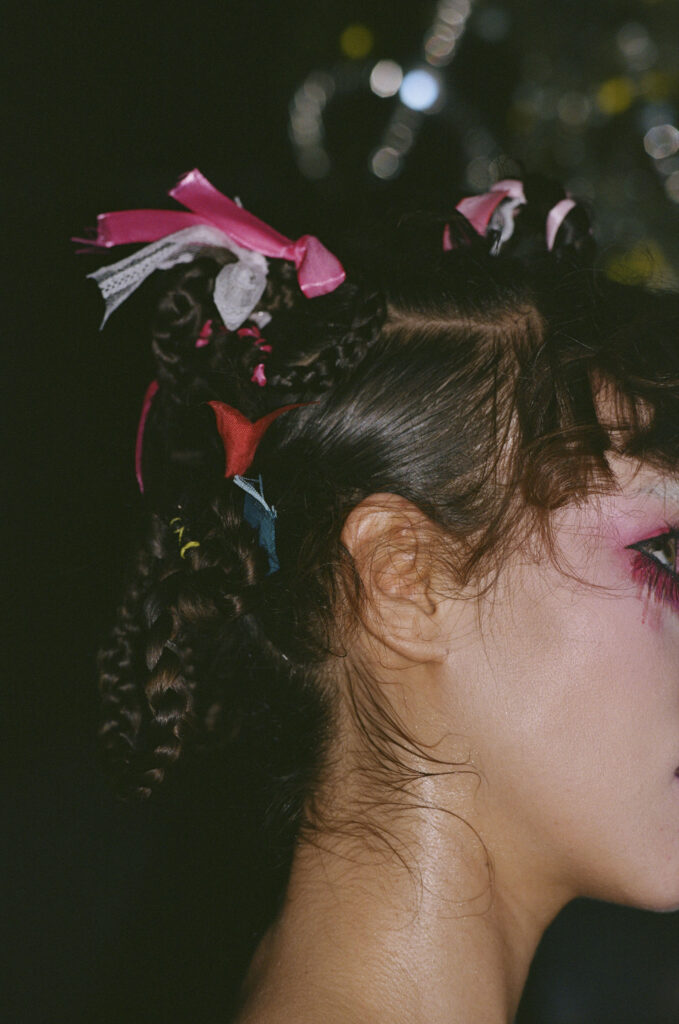
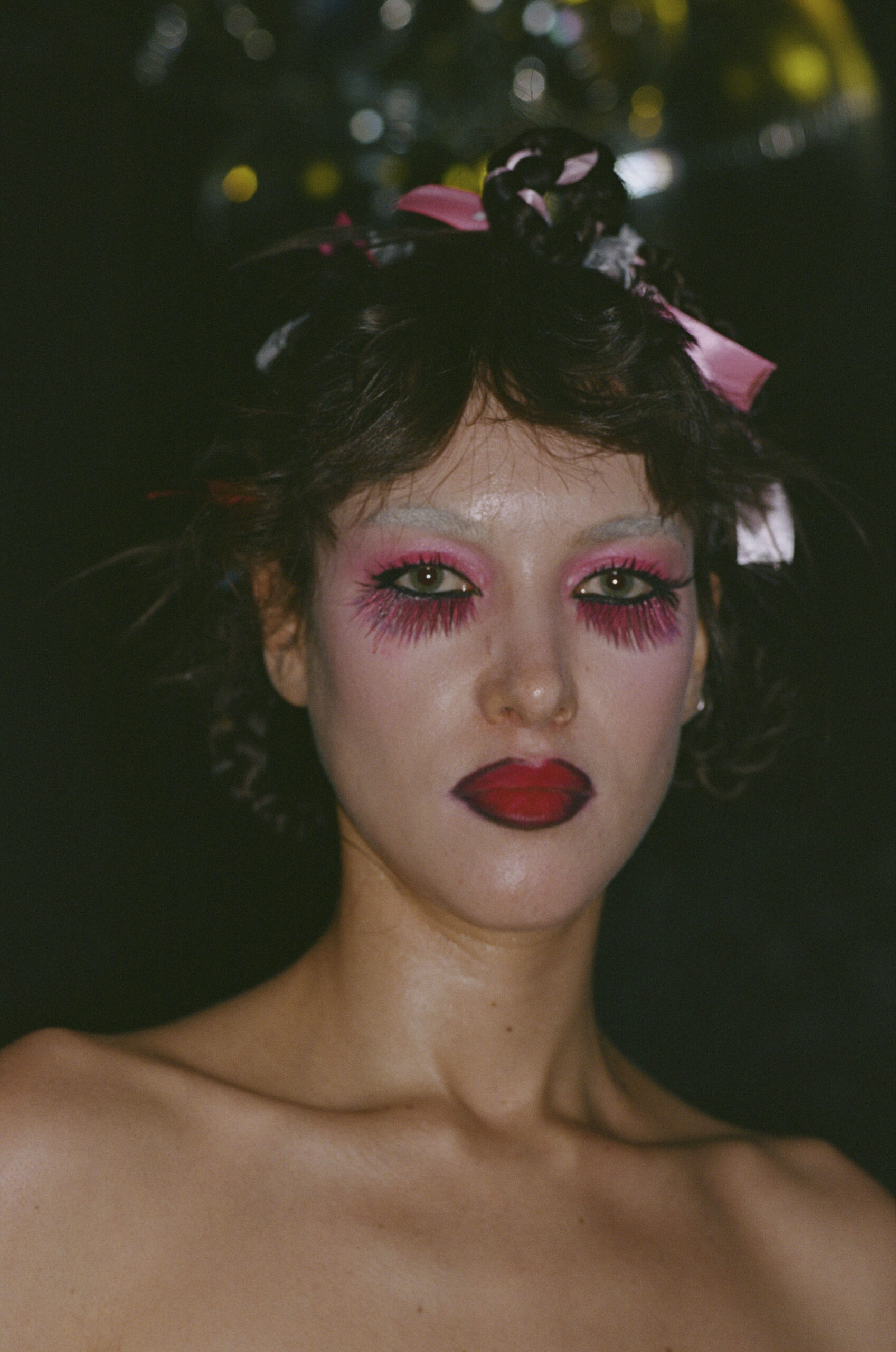
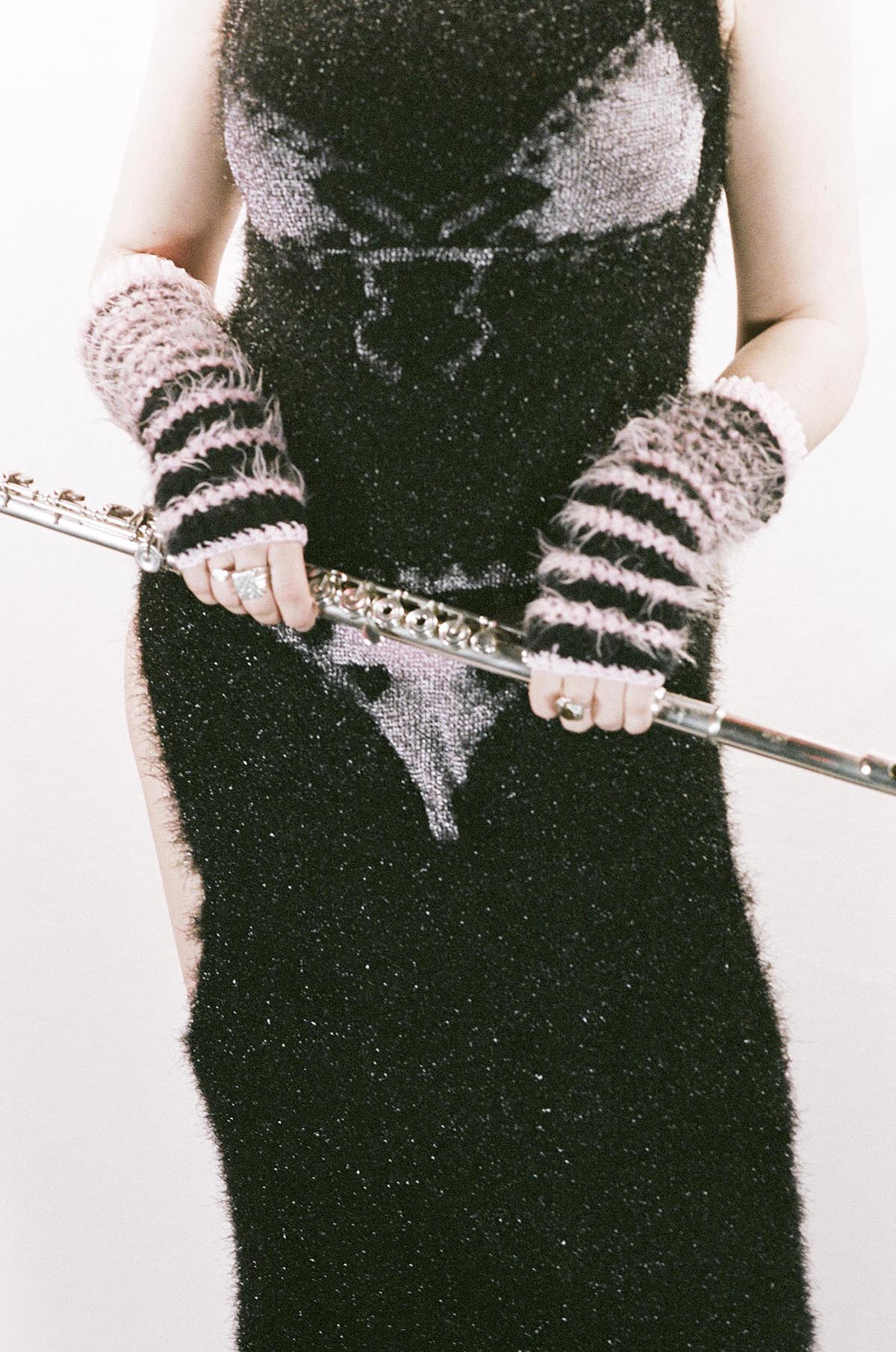
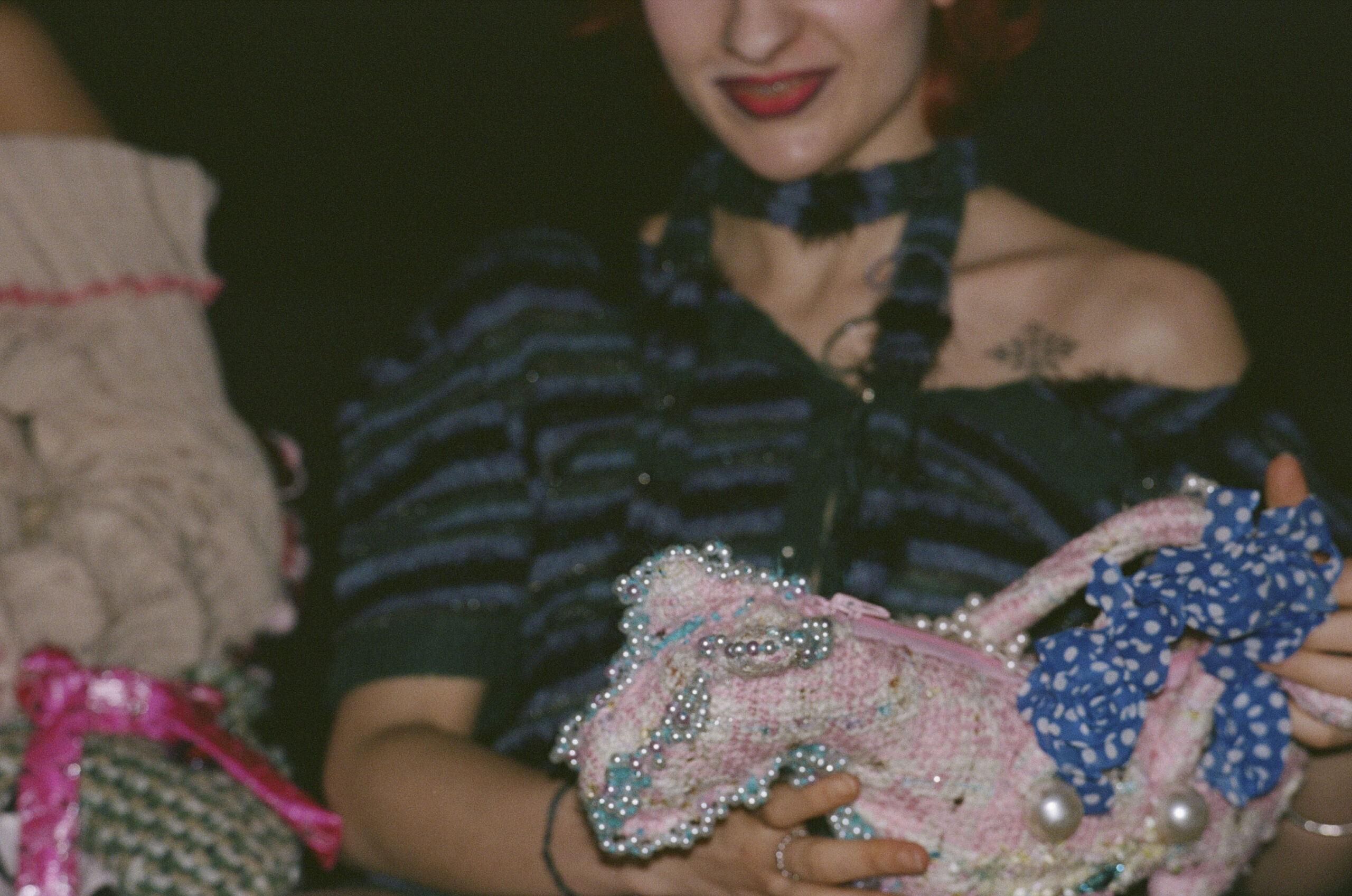
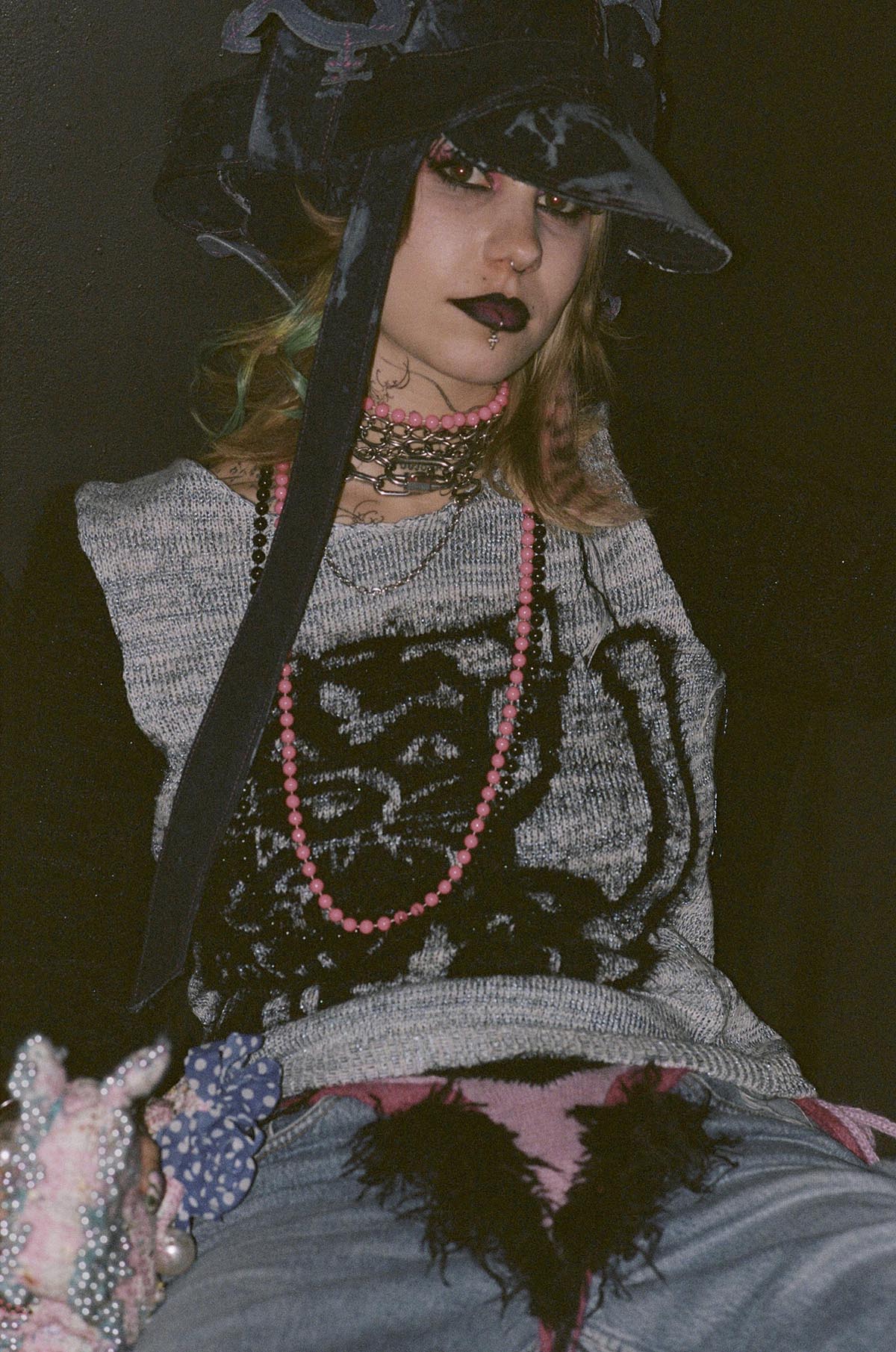
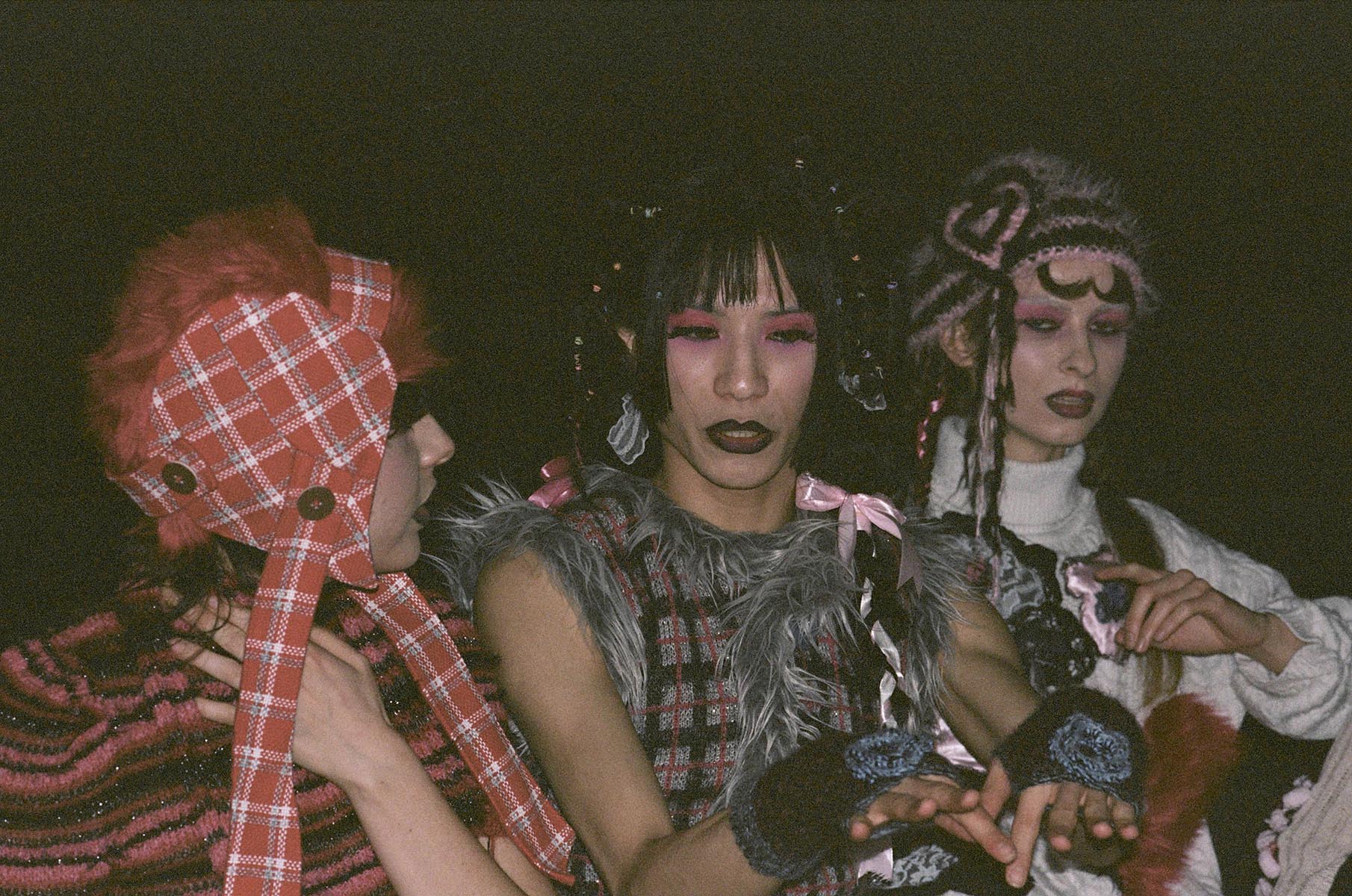
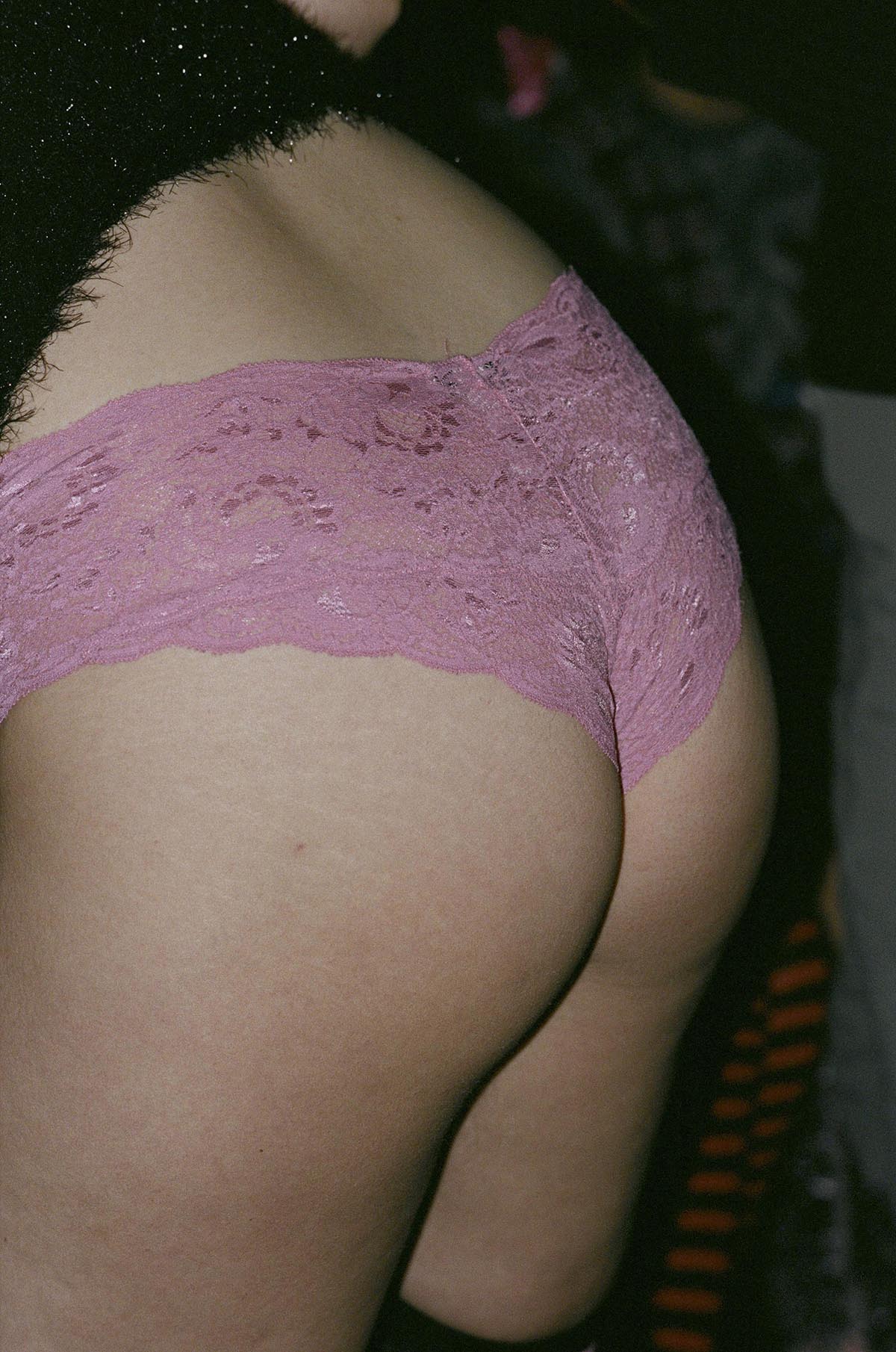
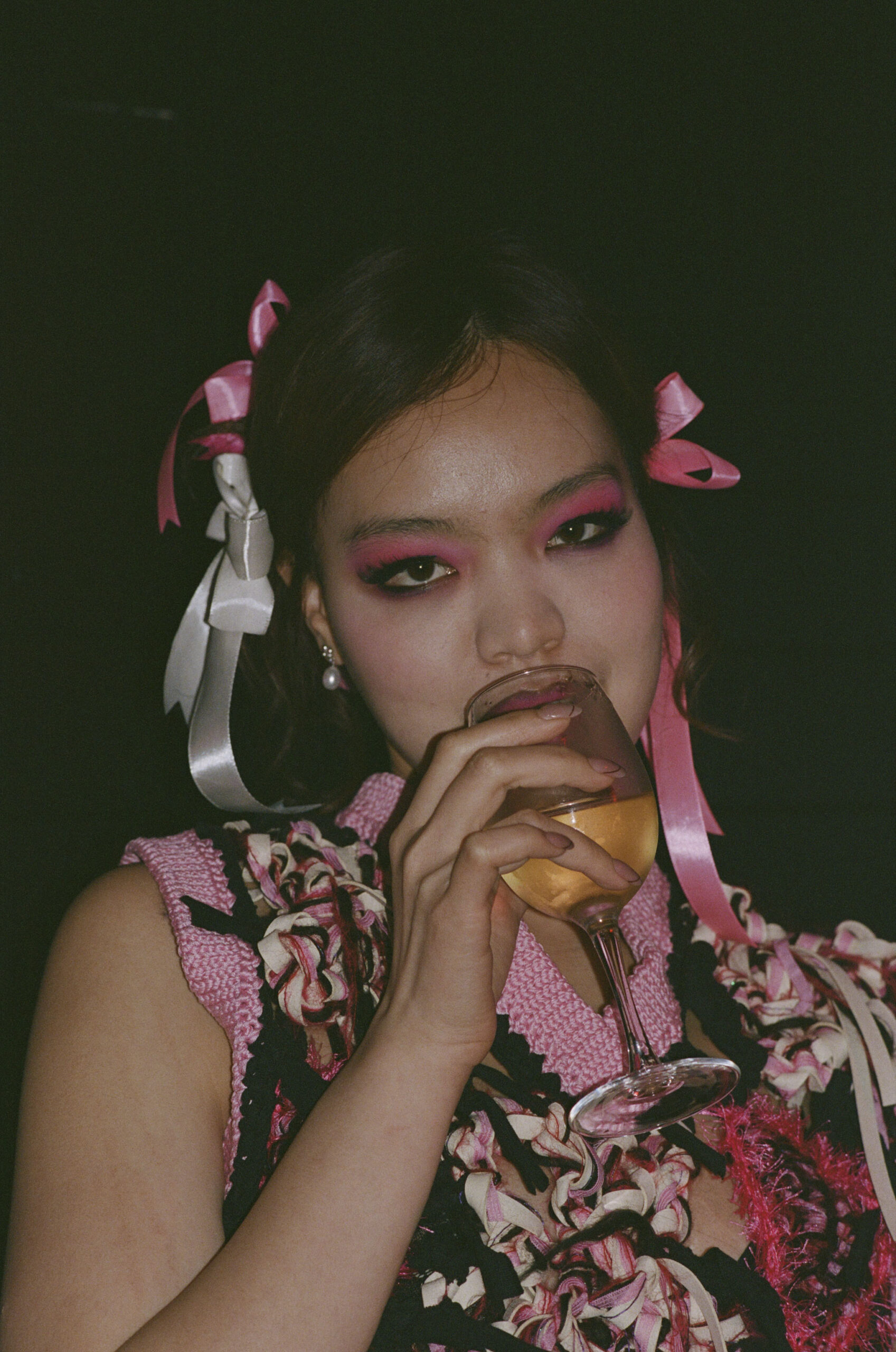
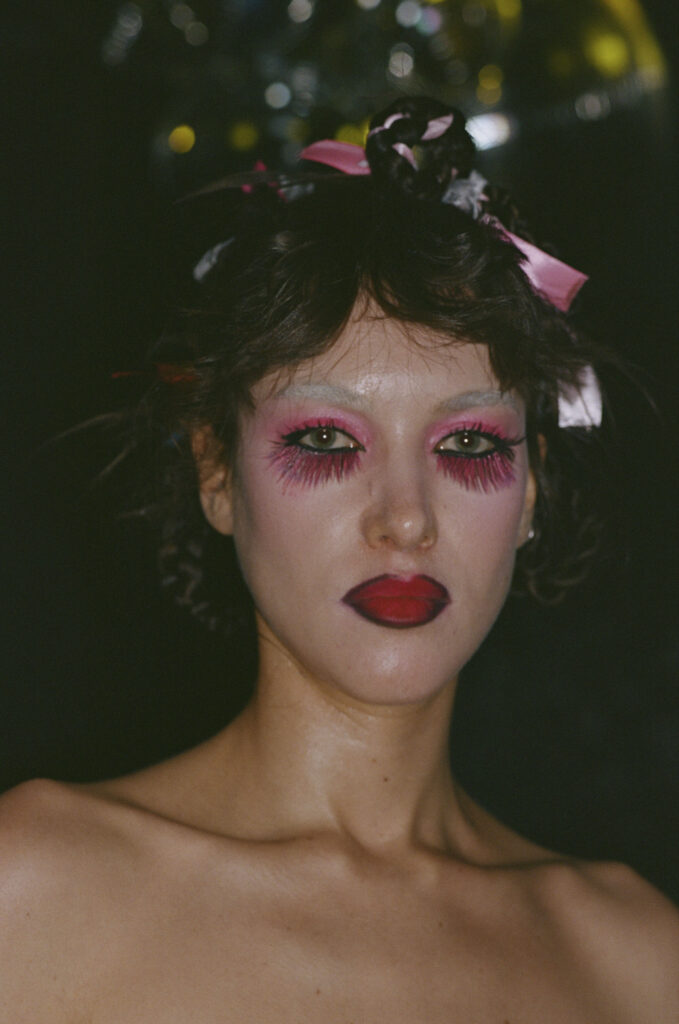
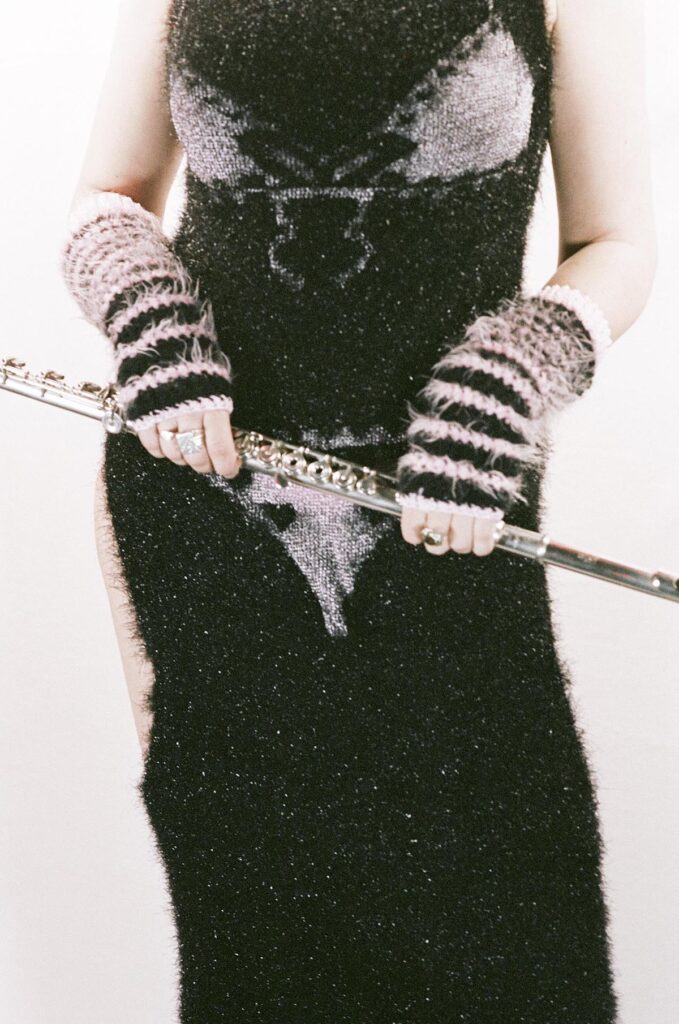
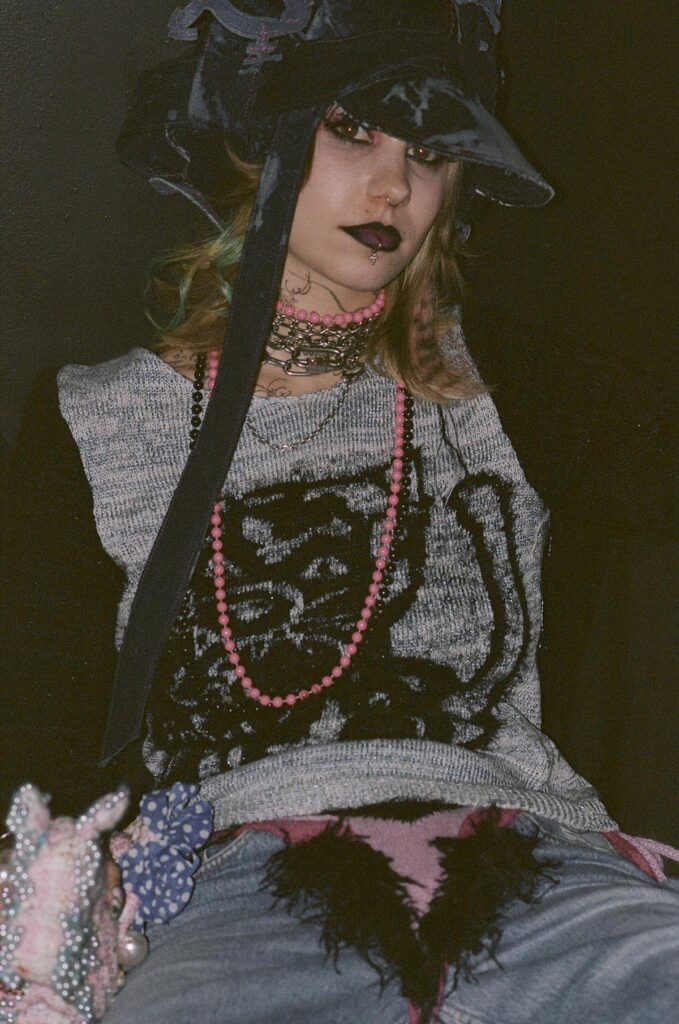
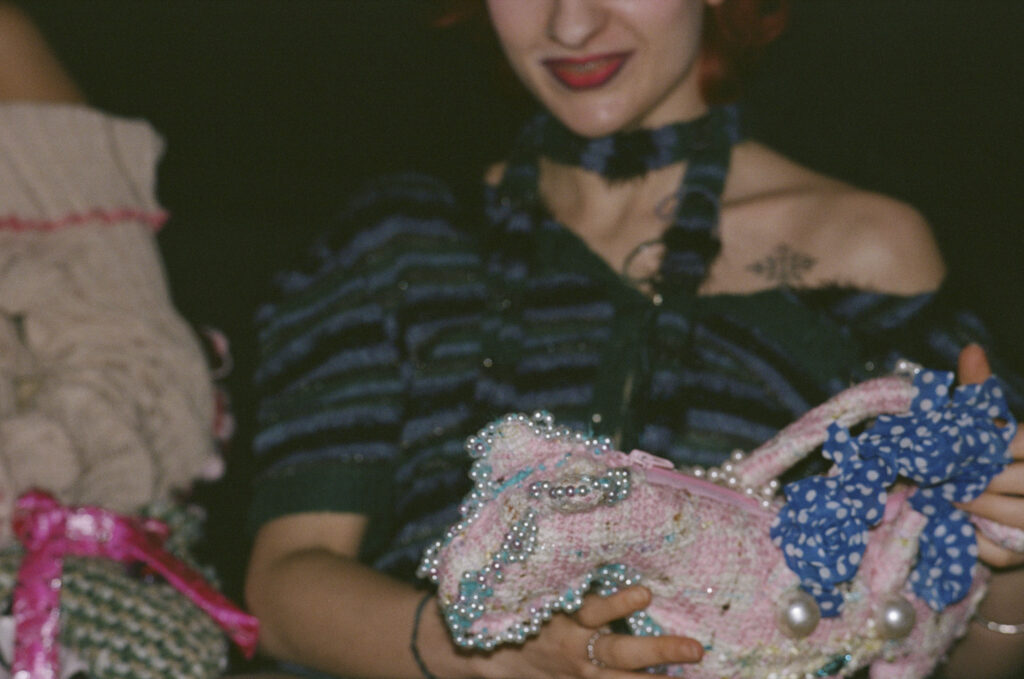
Folkloric, sexy, punk knitwear meets funky prints and accessories conceived as a superpower. TATi is a multidisciplinary knitwear studio rooted in feminist and queer craftwomanship. Working with both industrial and domestic machines, the studio develops textured, small-scale pieces that make the textile process visible. Its practice approaches knitting as a form of resistance, foregrounding care, repair and material responsibility while fostering community through garments.
Photography by Margaux Salarino
Temple Magazine
TATi grew from a very personal trajectory, between jewelry-making, knitwear, and self-initiated production. Can you tell us how the project first took shape?
TATi
The project actually began during my bachelor’s studies while I was living in London. At the time I was making jewelry, and during my internship people started asking if they could buy what I was wearing. Every day after work I would go home, produce pieces, and sell them through Instagram or directly to people around me.
I continued this practice during my master’s degree, although I had less time, and later joined Kenzo in the knitwear department. Around that period, my aunt told me that someone in my family had once owned a knitwear factory in southern Germany, something I had never heard about before. I was surprised and immediately felt the desire to understand that history, to see the machines, and to explore the technical side of knitwear, as I am very hands-on.
When we visited the location, the factory had already been sold, which was disappointing. However, a colleague told me that similar machines could be found online at affordable prices. I eventually located a full studio being sold by an elderly woman, and my mother and I drove to pick up the equipment from Italy. That is how I began building my own knitwear studio.
After working and freelancing for some time, I presented my first collection again around last year, notably with Mode Suisse. That moment probably marks the official beginning, although the project had always existed in parallel. Moving back from Paris to Basel and setting up the knitwear studio truly consolidated the brand. I am deeply passionate about knitwear and accessories, and designers such as Sonia Rykiel, Vivienne Westwood and Chopova Lowena have been strong inspirations. The recent renewed interest in knitwear also gave me the motivation to launch the brand more fully.
Temple Magazine
And how would you describe the aesthetic and spirit of the brand today? Would you define it as a brand?
TATi
At first, I described it as a multidisciplinary knitwear studio because I was doing a significant amount of consulting work for independent brands in Paris, Switzerland, and Germany. Over time, however, I felt the need to dedicate more space to my own artistic practice. I draw a lot and approach knitwear very much as a creative medium, so focusing on my own collections became essential. Today, I do consider it a brand, while remaining open to collaborations that align with my values. Any collaboration must resonate with the brand’s feminist positioning, aesthetic direction, and overall color and conceptual language. If a project does not match these criteria, I prefer to redirect it to another studio that would be more appropriate.
I still describe the structure as multidisciplinary, as I occasionally accept external projects, but under more selective conditions. For over a year now, the main focus has clearly shifted toward developing my own collections rather than consulting work.
Temple Magazine
Could you explain how the collections are produced?
TATi
All production is carried out in-house. Collections are developed first, and most pieces are produced on demand once stores place their orders, each contract specifying quantities. Some commercial pieces are held in limited stock, but the majority is produced specifically for each retailer. Many accessories and non-knitted pieces are created through upcycling, while knitwear pieces are made from scratch using 100 percent wool yarns. Maintaining material quality and production control is essential to the brand, and I prefer to remain relatively small to preserve that level of oversight.
Temple Magazine
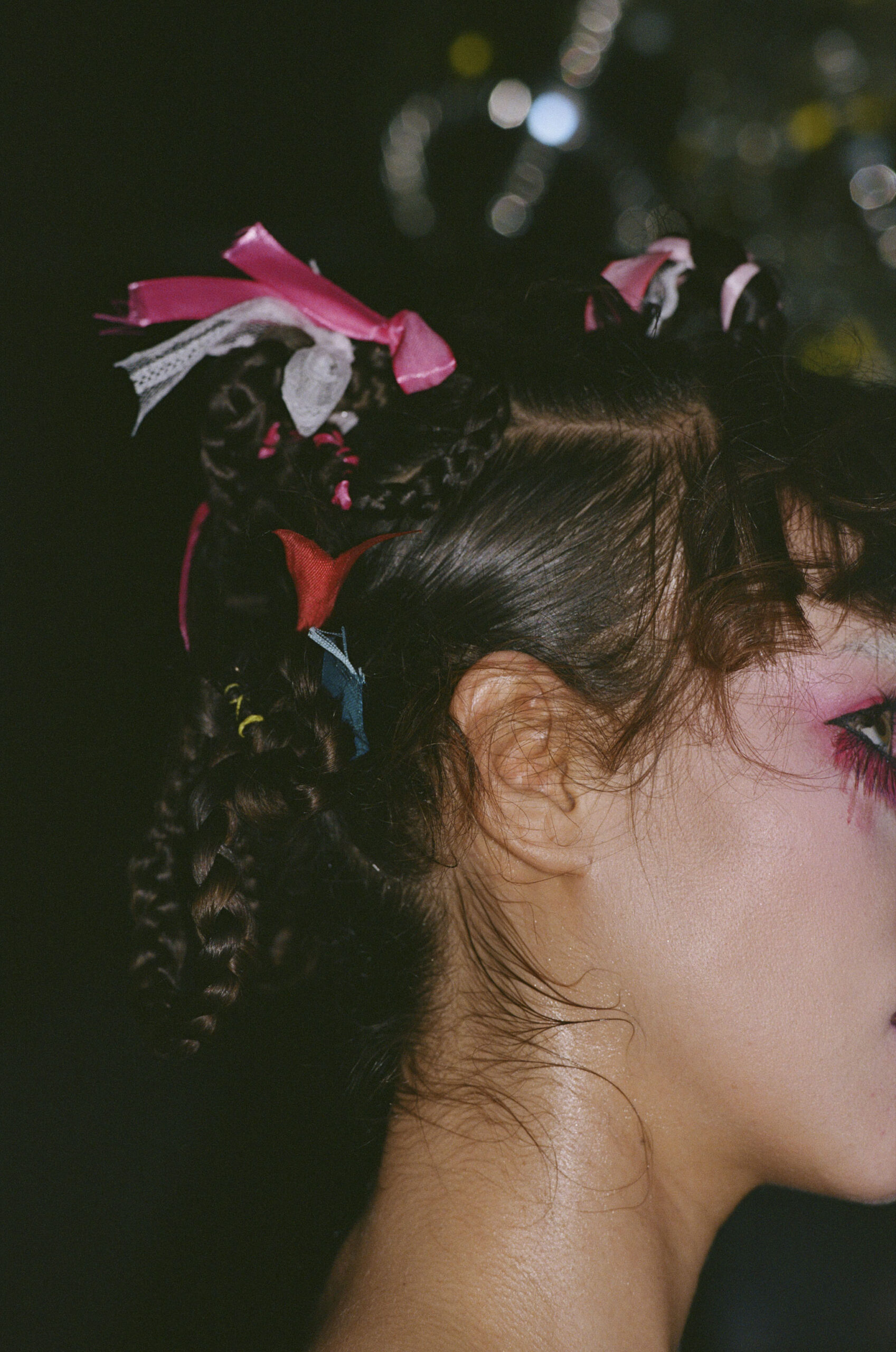
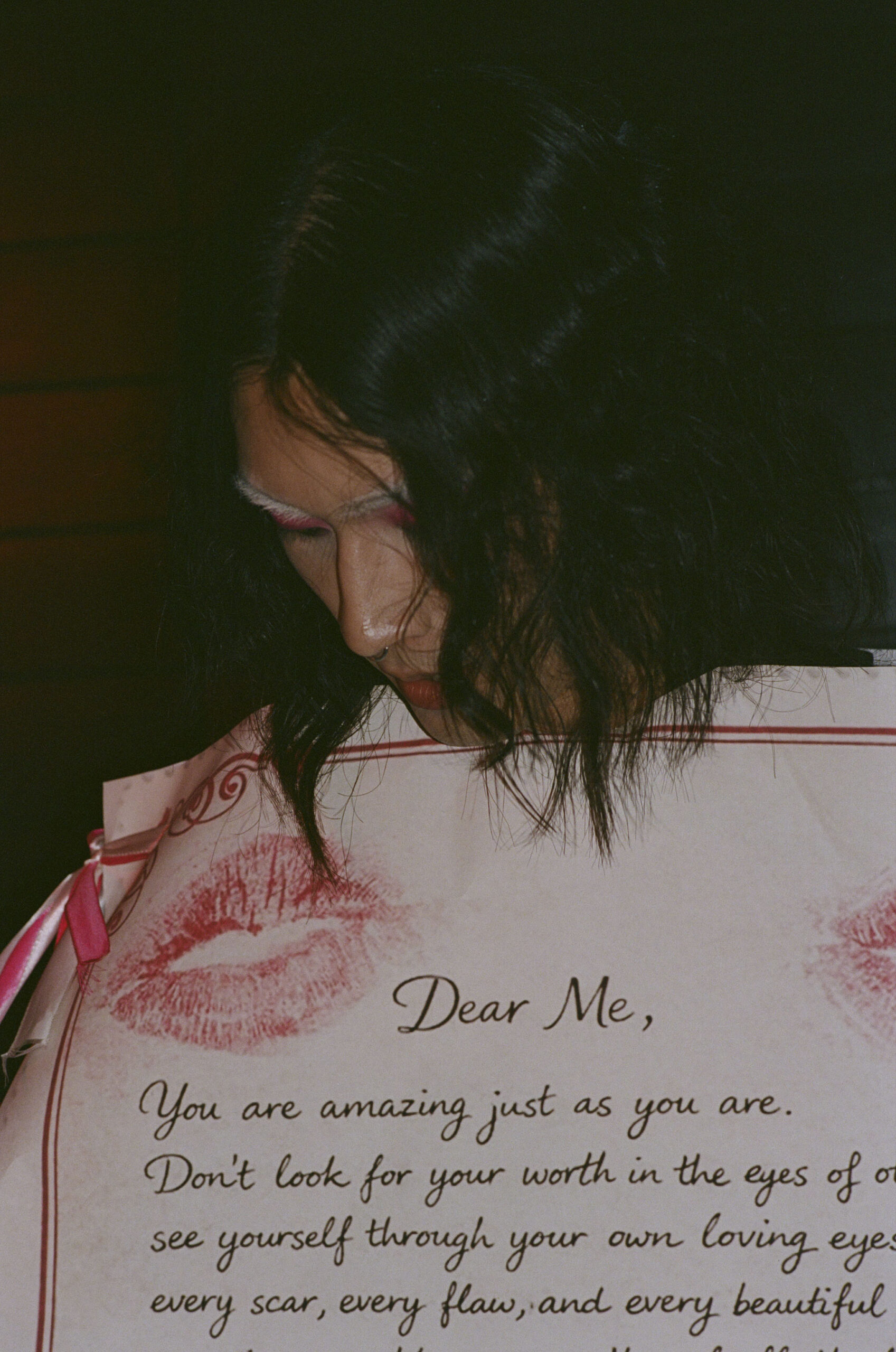
You have previously presented collections in more traditional runway formats, while this Friday’s 13 event Love is forever isn’t it? introduces a more performative approach. Can you tell us about this new format?
TATi
I initially imagined organizing a dinner-performance, inviting friends, magazines, and collaborators to celebrate a sense of togetherness. Valentine’s Day can sometimes feel emotionally charged or isolating, and I wanted to transform that moment into a collective experience. The project then evolved when Alice joined with her @slut.paris initiative.
Alice Wanderland
Before collaborating with Tati, my master’s project focused on a party concept named @slut.paris, for which I developed the full visual identity and wrote a thesis exploring the feminist reappropriation of the word “slut” and ways to destigmatize it. My work revolves around gathering people in spaces where music, performance, and collective presence allow individuals to express themselves freely without judgment.
When I met Tati, we worked together on defining key pillars for the brand: punk, playful, subversive, and nostalgic. For us, punk is not only a musical reference but a political attitude, a way of challenging norms and asserting a voice. We recognized this same energy in each other’s work.
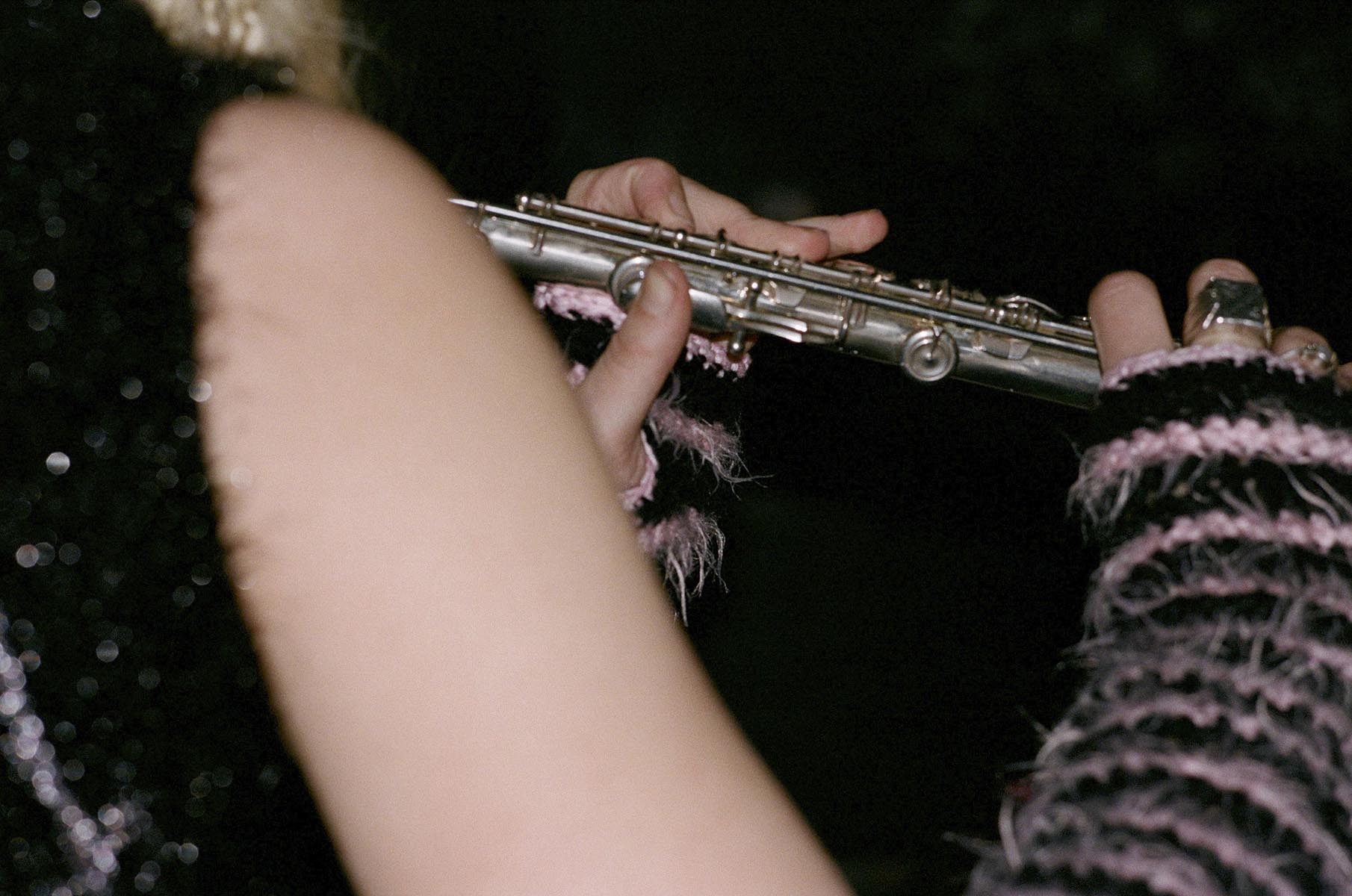
Initially, the presentation was planned for a small audience of around fifty or sixty people, but I encouraged us to expand the project. Since my own events usually gather 150 to 200 people, scaling to around 300 felt achievable. I proposed integrating the fashion presentation into a broader performance program including a punk live band from Barcelona, dancers, and DJs. Even presenting ten looks would have been enough, but Tati ultimately produced fourteen, which required significant effort.
The venue was secured through the collective United Freaks, which connects artists and performance spaces, and we chose Pamela Club, a nightclub known for hosting fashion-related events and after-parties. Presenting the show there also offered strong visibility within the fashion community.
Temple Magazine
Is this performative approach something you plan to continue exploring?
TATi
I need some time to reflect. I truly appreciated the experience but producing an event of that scale requires considerable resources, and as an independent designer I cannot realistically organize such a show every six months. That said, I do have many connections, and I am considering potential collaborations, for example with an independent concept store in New York called @fussy.ltd . It is still an idea at an early stage.
Temple Magazine
How do you position your community and network between Basel and Paris?
TATi
Although I am based in Basel, many of my strongest connections within the fashion scene are in Paris, which is why several events take place there. Basel allows me to concentrate on production and research in a quieter environment, while Paris is where I present the work publicly. Switzerland also offers helpful funding opportunities when projects are submitted early, which supports the development of independent initiatives.
Temple Magazine
What are you currently working on, and what comes next?
TATi
At the end of March we will host a pop-up at APOC in Paris, so the immediate focus is on reproducing selected pieces and coordinating orders with stores based on the new collection. The coming months will therefore be largely dedicated to production and distribution.
Temple Magazine
TATi grew from a very personal trajectory, between jewelry-making, knitwear, and self-initiated production. Can you tell us how the project first took shape?
TATi
The project actually began during my bachelor’s studies while I was living in London. At the time I was making jewelry, and during my internship people started asking if they could buy what I was wearing. Every day after work I would go home, produce pieces, and sell them through Instagram or directly to people around me.
I continued this practice during my master’s degree, although I had less time, and later joined Kenzo in the knitwear department. Around that period, my aunt told me that someone in my family had once owned a knitwear factory in southern Germany, something I had never heard about before. I was surprised and immediately felt the desire to understand that history, to see the machines, and to explore the technical side of knitwear, as I am very hands-on.
When we visited the location, the factory had already been sold, which was disappointing. However, a colleague told me that similar machines could be found online at affordable prices. I eventually located a full studio being sold by an elderly woman, and my mother and I drove to pick up the equipment from Italy. That is how I began building my own knitwear studio.
After working and freelancing for some time, I presented my first collection again around last year, notably with Mode Suisse. That moment probably marks the official beginning, although the project had always existed in parallel. Moving back from Paris to Basel and setting up the knitwear studio truly consolidated the brand. I am deeply passionate about knitwear and accessories, and designers such as Sonia Rykiel, Vivienne Westwood and Chopova Lowena have been strong inspirations. The recent renewed interest in knitwear also gave me the motivation to launch the brand more fully.
Temple Magazine
And how would you describe the aesthetic and spirit of the brand today? Would you define it as a brand?
TATi
At first, I described it as a multidisciplinary knitwear studio because I was doing a significant amount of consulting work for independent brands in Paris, Switzerland, and Germany. Over time, however, I felt the need to dedicate more space to my own artistic practice. I draw a lot and approach knitwear very much as a creative medium, so focusing on my own collections became essential. Today, I do consider it a brand, while remaining open to collaborations that align with my values. Any collaboration must resonate with the brand’s feminist positioning, aesthetic direction, and overall color and conceptual language. If a project does not match these criteria, I prefer to redirect it to another studio that would be more appropriate.
I still describe the structure as multidisciplinary, as I occasionally accept external projects, but under more selective conditions. For over a year now, the main focus has clearly shifted toward developing my own collections rather than consulting work.
Temple Magazine
Could you explain how the collections are produced?
TATi
All production is carried out in-house. Collections are developed first, and most pieces are produced on demand once stores place their orders, each contract specifying quantities. Some commercial pieces are held in limited stock, but the majority is produced specifically for each retailer. Many accessories and non-knitted pieces are created through upcycling, while knitwear pieces are made from scratch using 100 percent wool yarns. Maintaining material quality and production control is essential to the brand, and I prefer to remain relatively small to preserve that level of oversight.
Temple Magazine
You have previously presented collections in more traditional runway formats, while this Friday’s 13 event Love is forever isn’t it? introduces a more performative approach. Can you tell us about this new format?
TATi
I initially imagined organizing a dinner-performance, inviting friends, magazines, and collaborators to celebrate a sense of togetherness. Valentine’s Day can sometimes feel emotionally charged or isolating, and I wanted to transform that moment into a collective experience. The project then evolved when Alice joined with her @slut.paris initiative.
Alice Wanderland
Before collaborating with Tati, my master’s project focused on a party concept named @slut.paris, for which I developed the full visual identity and wrote a thesis exploring the feminist reappropriation of the word “slut” and ways to destigmatize it. My work revolves around gathering people in spaces where music, performance, and collective presence allow individuals to express themselves freely without judgment.
When I met Tati, we worked together on defining key pillars for the brand: punk, playful, subversive, and nostalgic. For us, punk is not only a musical reference but a political attitude, a way of challenging norms and asserting a voice. We recognized this same energy in each other’s work.
Initially, the presentation was planned for a small audience of around fifty or sixty people, but I encouraged us to expand the project. Since my own events usually gather 150 to 200 people, scaling to around 300 felt achievable. I proposed integrating the fashion presentation into a broader performance program including a punk live band from Barcelona, dancers, and DJs. Even presenting ten looks would have been enough, but Tati ultimately produced fourteen, which required significant effort.
The venue was secured through the collective United Freaks, which connects artists and performance spaces, and we chose Pamela Club, a nightclub known for hosting fashion-related events and after-parties. Presenting the show there also offered strong visibility within the fashion community.
Temple Magazine
Is this performative approach something you plan to continue exploring?
TATi
I need some time to reflect. I truly appreciated the experience but producing an event of that scale requires considerable resources, and as an independent designer I cannot realistically organize such a show every six months. That said, I do have many connections, and I am considering potential collaborations, for example with an independent concept store in New York called @fussy.ltd . It is still an idea at an early stage.
Temple Magazine
How do you position your community and network between Basel and Paris?
TATi
Although I am based in Basel, many of my strongest connections within the fashion scene are in Paris, which is why several events take place there. Basel allows me to concentrate on production and research in a quieter environment, while Paris is where I present the work publicly. Switzerland also offers helpful funding opportunities when projects are submitted early, which supports the development of independent initiatives.
Temple Magazine
What are you currently working on, and what comes next?
TATi
At the end of March we will host a pop-up at APOC in Paris, so the immediate focus is on reproducing selected pieces and coordinating orders with stores based on the new collection. The coming months will therefore be largely dedicated to production and distribution.